Mason Votes

Student Gov’t 2012 Exit Polling Results

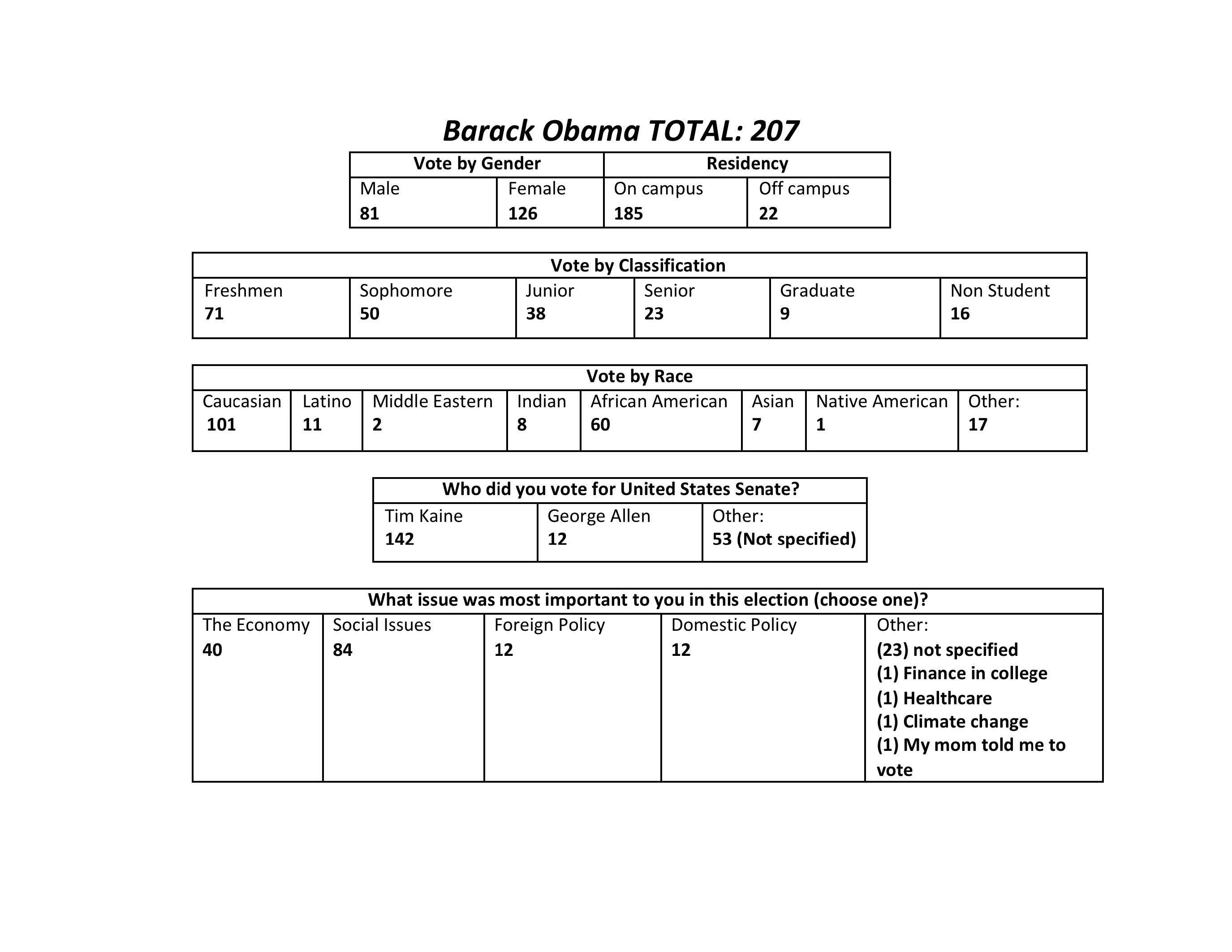
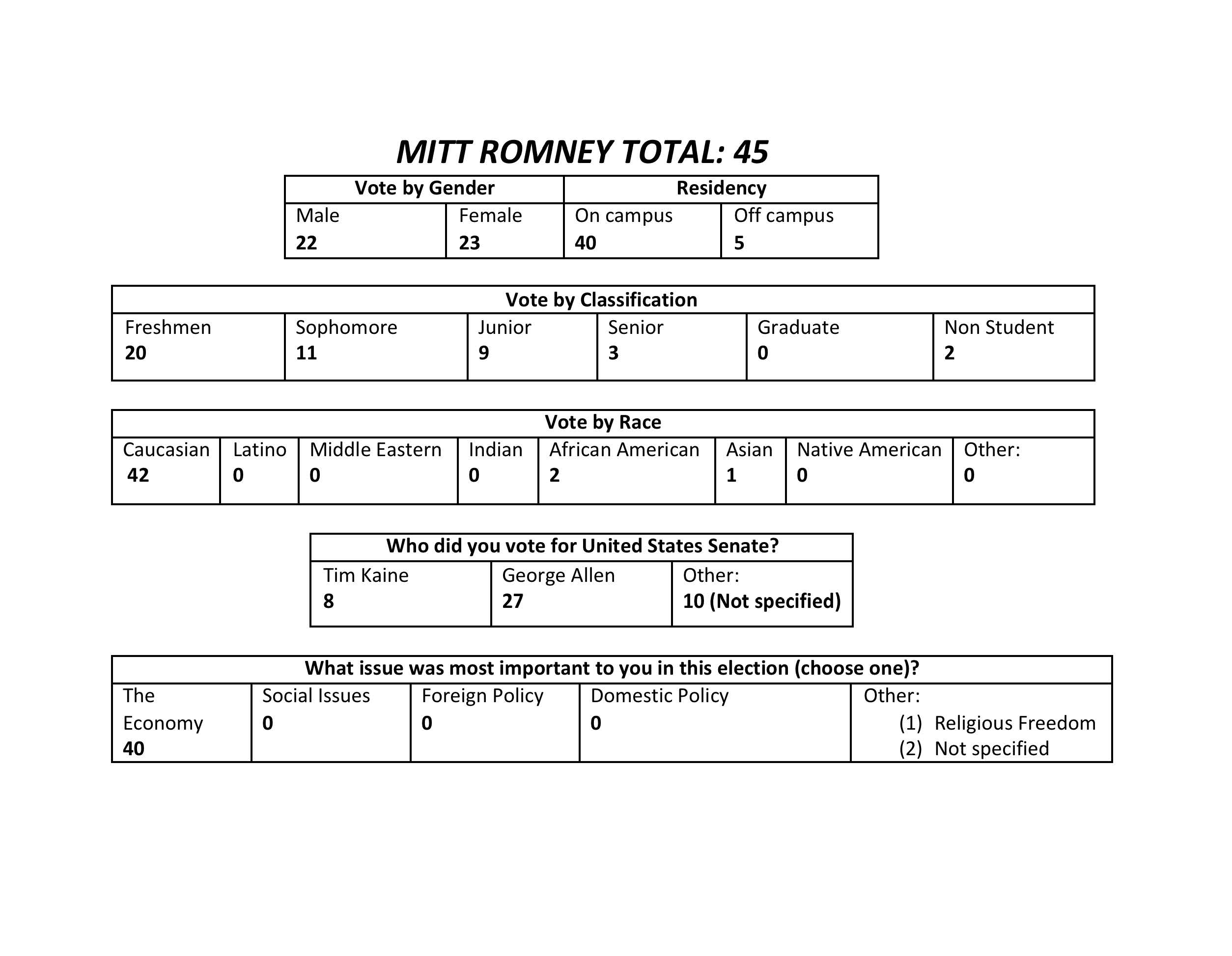
The GMU Student Government conducted exit polling on Election Day, November 6, 2012, at George Mason University’s University Hall polling place (precinct 134).  263 voters were surveyed with approximately 1 in 5 voters being asked to take part in the survey and 116 people refusing to answer.  Here are the results:
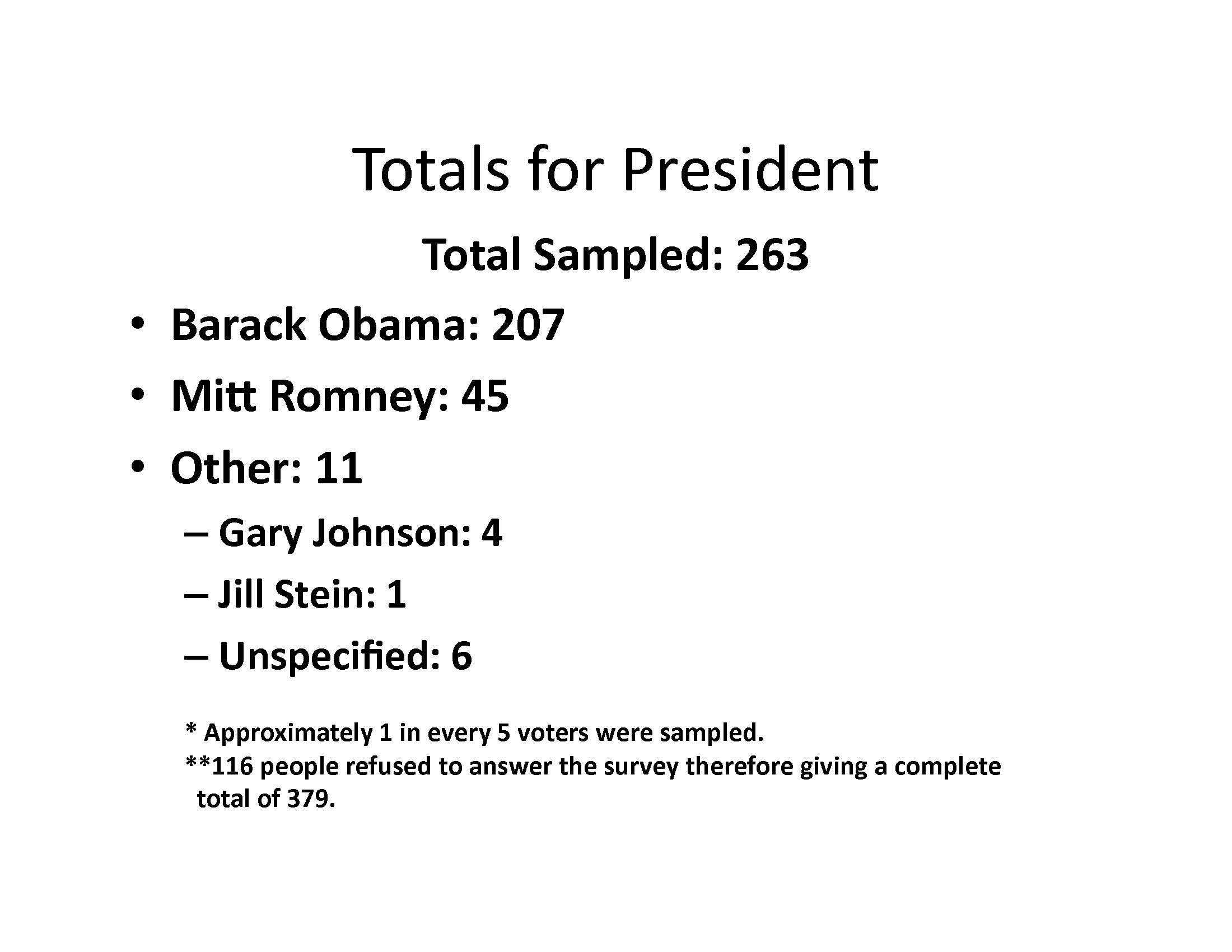
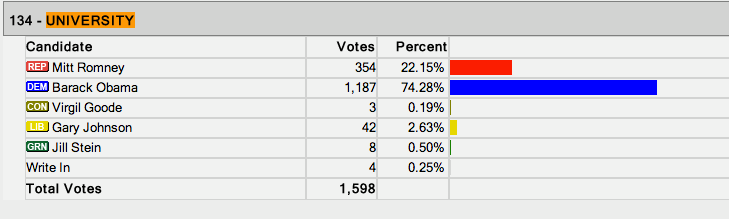
For a copy of the survey as a pdf file click here.  The actual result of the polling place as reported by the Virginia State Board of Elections were as follows.
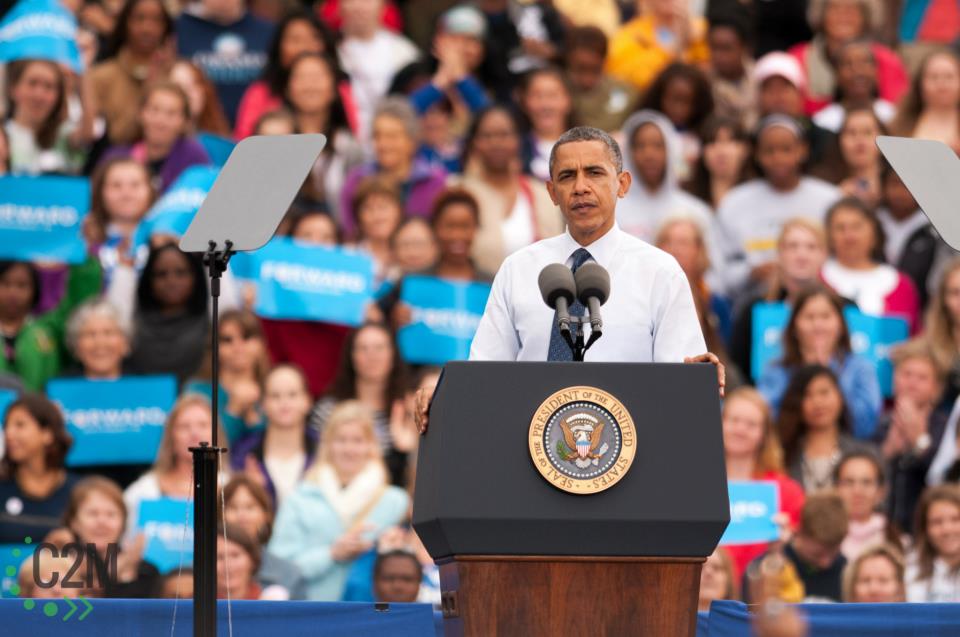
President Barack Obama: RE-ELECTED

Photo by | Dakota Cunningham C2M

Shortly into the eleven o’clock hour on November 6 all the major networks began to call the race. “President Barack Obama has been re-elected and will return to the White House for four more years” one news reporter said.

The President received 50 percent of the national vote to Governor Romney’s 48 percent. When it came to the Electoral College the President received well over the 270 needed to win. He scored 303 to Governor Romney’s 206. Important to note is the state of Florida has not yet been called. There is a possibility the President will ultimately win their as well.

As American’s wake up this morning it would appear as nothing is different. The President is still Barack Obama, the House of Representatives is still controlled by the Republicans, and the Senate is still in Democratic control. This reality raises one major question in which we will receive the answer to in the coming months. That question is where do we go from here?

With a divided government over the last two years congress has seen its approval rating slip to as low as 8 percent. The word and idea compromise has become dirty. What will make these next four years any different? Regardless of who won the White House this question would still have been asked. Maybe now after the dust has finally settled Congress, the Senate, and the President will make real strides to work in a bi-partisan manner, and restore the faith in a government that as Lincoln described as “of the people, for the people, by the people”.

Election Day at Mason 2012 Videos


[youtube]http://youtu.be/K3QxDn3iEno[/youtube]Filmed by Trevor DeSaussure, Connect2Mason.com, Nov. 6, 2012 at George Mason University.

[youtube]http://www.youtube.com/watch?v=7lgAmdzAcc8&feature=plcp[/youtube]
[youtube]http://www.youtube.com/watch?v=5O-_QlHQF-M&feature=plcp[/youtube]
[youtube]http://www.youtube.com/watch?v=szy_6v7uwKY&feature=plcp[/youtube]
[youtube]http://www.youtube.com/watch?v=Rp7YfN2e56k&feature=plcp[/youtube]
[youtube]http://www.youtube.com/watch?v=8JZFzmFs8ms&feature=plcp[/youtube]
[youtube]http://www.youtube.com/watch?v=3Ls_cjX8lEI[/youtube]
[youtube]http://www.youtube.com/watch?v=E0VX8xkK_Bs[/youtube]
[youtube]http://www.youtube.com/watch?v=XFU3RdLMfjs&feature=plcp[/youtube]
[youtube]http://www.youtube.com/watch?v=MMykyWgnvRc&feature=plcp[/youtube]

Filmed by students of Comm 399, Advanced Video, Performance and Writing.

Mitt Romney Makes Closing Arguments at Mason

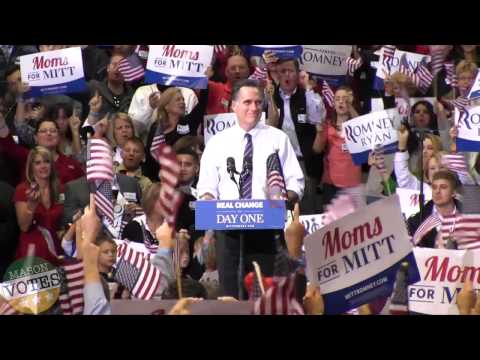
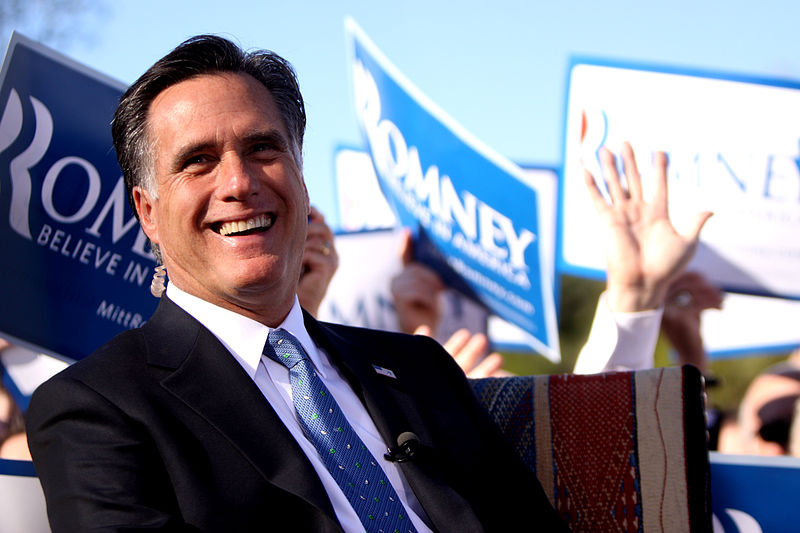
On Monday, November 5, Republican Presidential Candidate made his first and only campaign stop at George Mason University’s Fairfax campus. His event was held at the Patriot Center, where he spoke to an estimated 8,000 supporters with many more who were turned away. Governor Romney spoke about the failures as he saw them from the Obama administration on a whole host of issues. He also shared with his supporters and those who may still be undecided what his vision for the next four years.

[youtube]https://www.youtube.com/watch?v=LVRHazh-F2Q[/youtube]


See Mitt Romney’s full remarks here:

[youtube]https://www.youtube.com/watch?v=xnD8YkCR1P8[/youtube]

Mitt Romney to Campaign at Mason on Monday

UPDATED


Republican Presidential Candidate Mitt Romney will make his first appearance  this election cycle at George Mason University on Monday, November 5.

Romney’s stop in  Northern Virginia reinforces just how close the race for Virginia’s 13 Electoral College votes is. Romney is set to speak at the Patriot Center at 2:45 p.m. with doors opening at 12:45 p.m.

President Obama also spoke at the RAC where he was greeted by 9,000 supporters. The Romney campaign hopes to convince voters in the Northern Virginia area suburbs that his plan for the economy will help put America back on the right track.

For ticket information please visit: http://www.mittromney.com/events/fairfax-victory-rally-w-mitt-gop-team

The Impact of Political Advertising

Photo by | Dakota Cunningham C2M 

As Election Day approaches, the 2012 presidential campaign is in full swing. For months, citizens of the battleground state of Virginia have endured countless advertisements funded by the Obama and Romney campaigns. According to the Washington Post, more than $262 million has been spent on ad support for the president, compared to $282 million in support of the Republican nominee. The two parties have spent more than $96 million on Virginia alone. Only Florida has a higher total at $104 million.

The D.C. Metro area has seen or heard more than 24,000 ads, accounting for $44 million of the spending, since mid-April 2012. Each advertisement has the same goal: Form a likeable image of its candidate.

Thom Mozloom, the founder and president of The M Network, an advertising agency based in Miami, joined students participating from the George Mason University Video Studio along with Steve Scully, the political editor for the C-SPAN networks, and students from the Washington Center for Internships and Academic Seminars, and Purdue University for an episode of “The Washington Classroom.” Mozloom said, “The brand is the emotional connection a target audience has with a particular candidate, a campaign has to build that connection typically over time, getting the viewer emotionally involved with a candidate.”

Most ads on the air today last only about 30 seconds. “The idea is to connect with the least amount of words and the most amount of emotional impact,” Mozloom said, “something that everybody is going to agree with and have that emotional ‘yes’ to.” While the goal of ads is to create a brand, some viewers, such as Lauren Dean, a Mason alumna with a bachelor’s degree in psychology, choose to ignore the message. “Honestly, I’ve stopped listening to the messages,” said Dean, a 27-year-old resident of Alexandria. “All they do is say negative comments about the opponent instead of telling me their own views or plan.”

Others, such as Kevin McLain, a senior at Mason studying government and international politics, believe the message of campaign ads are not targeted to each individual voter. “As a partisan, I’m not very much affected by political ads,” said McLain, a 20-year old from Manassas. “When I see a political ad, I’m looking at who is targeted, what is the point and what it’s trying to make me feel.” Some advertisement viewers might wonder whose vote is being changed by ads. “Perhaps the ads influence those people who listen to the ad and believe it word for word,” Dean said. “Or maybe they’re intended for those who make their decision based on the negatives of a candidate.”

“I think the people who change which party they vote for every election are the ones who are affected,” McLain said. “A person who is not as politically savvy as someone who studies politics is probably more easily swayed.”

The latest Gallup poll of likely voters from Oct. 28, Hurricane Sandy suspended Gallup poll tracking on Oct. 29, showed Romney with a slight 5-point lead over Obama, making the presidential race a 51-to-46 percent dead heat.

The distance-learning course, which is produced by C-SPAN, is a unique opportunity for students to interview guests via video conference. The course airs on C-SPAN3 on Fridays at 5 p.m. and also streams online (http://www.c-span.org/Washington-Classroom/).

1-on-1 with Mason Votes: Colonel Chris Perkins

Mason Votes went 1-on-1 with Colonel Chris Perkins the Republican candidate for Virginia’s 11th congressional district. His opponent is Congressman Gerry Connolly.

Colonel Perkins spoke at length about the importance of this year’s election and shared his opinions opinions about how to best address the major challenges facing America.

To learn more about Colonel Perkins you can check out his campaign website here: http://www.perkins2012.com/

Here is our interview:

[youtube]http://www.youtube.com/watch?v=p-PlvtYB3lA&feature=g-all-u[/youtube]

Join Mason Votes and the Office of Student Media on Election Night

On Tuesday, November 6, Mason Votes in conjunction with the Office of Student Media is hosting a live election night show. The program will broadcast live from the Johnson Center Atrium and available via webcast at Connect2Mason.com, MasonCableNetwork.Com, and Mason Cable Network campus TV channel 231.

Be Aware, Get Educated, and Vote!

[youtube]http://www.youtube.com/watch?v=plP2z9bq-_Q[/youtube]

GMU Chapter of NAACP: “What’s Your Stance?” Series Oct.24 and Oct.11

The GMU chapter of NAACP has hosted two more “What’s Your Stance?” Series events in October. Below are coverage of each event: 

Event – October 24, 2012

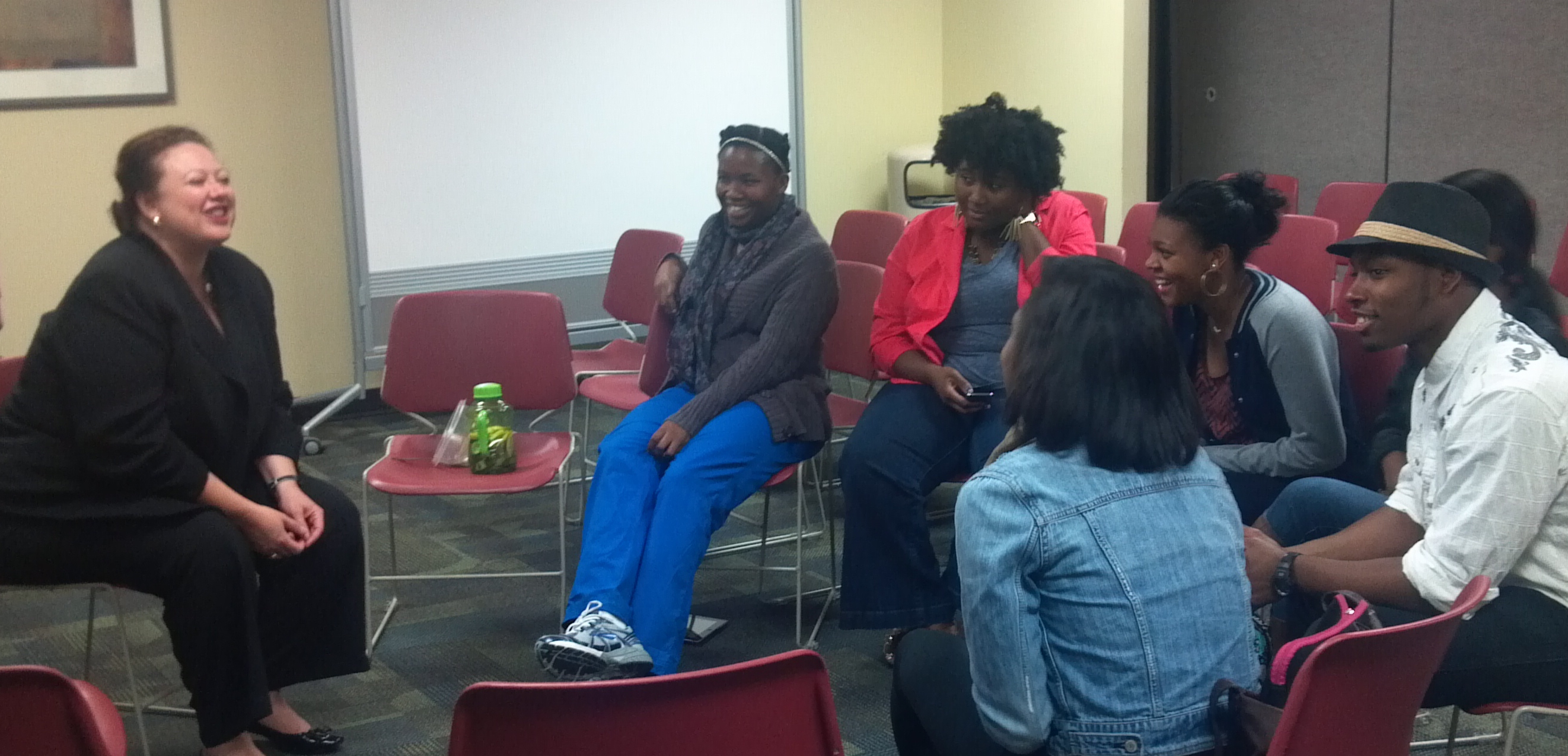
On October 24, 2012 the GMU NAACP chapter continued their “What’s Your Stance” series introducing education issues and policies. Their guest speaker for the evening was Tina Hone, founder of Silence of the Coalition an organization launched in January 2012 in order to be the voice of underrepresented students in the Fairfax County Public School system. Hone discussed ways to bridge the achievement gap between White and Asian students and Black and Hispanic students in Fairfax County.

“I felt compelled to make sure the playing field was equal for every child in America.” said Hone.

According to Hone, Fairfax County Public Schools consists of mostly minority students compared to white students that were shown according to the Fairfax County website

(http://www.fairfaxcounty.gov/demogrph/pdf/2011_youth_survey_report.pdf), take up 44.5 percent of the population as of the 2011-2012 school year. Secondly, of the students in Fairfax County, 25 percent come from less fortunate families.

Hone continued the discussion mentioning the purpose of the No Child Left Behind Act, which is now referred to as the Elementary and Secondary Act (ESEA), is to bridge the achievement gap in schools.

“Not enough is being done to close this achievement gap. They have been trying to build the achievement gap since I was fourteen years old, and I am old.” said Hone.

Although Hone believes more should be done to bridge the gap, she commended President Obama on the work he has done to help education policies.

“In this campaign, we need to look at the pressure the President has put on education.” said Hone.

One of the issues Hone explained regarding mending the gap was the use of standardized tests within the state.

“African American poor people do less well on standardized tests.” said Hone.

Furthermore, the success rates for White and Asian students are higher than success rates for Black and Hispanic students. According to the Huffington Post (http://www.huffingtonpost.com/2012/08/23/virginia-new-achievement-based-on-race_n_1826624.html) 45 percent of Black students and 52 percent of Hispanic students are required to pass the math standardized tests as opposed to 68 percent of White students and 82 percent of Asian students being required to pass this test. Hone wants to make sure that each student has the same opportunity as their peers regardless of their racial background.

“The most pressing issue to me is for as many brothers and sisters from the poorest neighborhoods to make it out.” said Hone.

Even with a law degree, Hone was an instructor through the Teach for America program and expressed that she understood the challenges of teachers in the classroom. She mentioned the importance of programs like Teach for America.

“Some of our best teachers are asking to go to tougher schools.” said Hone.

A final issue that Hone brought up was about evaluating the teaching profession.

“There are still teachers teaching who don’t have our kids best interest at heart.” said Hone.

In Hone’s last remarks, she informed Mason students that in countries such as Finland, it is harder to be a teacher than getting accepted into Medical School.

Event – October 11, 2012

On October 11, 2012 the George Mason chapter of the National Association of Advancement of Colored People (NAACP) held their second segment of their “What’s Your Stance” series. The topic at hand was Women’s Health and Cortney Hughes-Rinker, a Mason Assistant Professor, Anthropology; Sociology & Anthropology led the discussion.

The first question asked was, “Why are women’s rights important in politics?”

Rinker continued with 4 solutions to the question. The first being, women’s bodies are fields of contest, the second being women should have control over their bodies and not a government with a majority of male politicians; the third being the concept on war on women is not just about women’s health; and lastly, politicians should not make women and their bodies interconnect.

Mason students were able to interact with Rinker and participated in a discussion regarding the presidential candidate initiatives on women’s health.

During this discussion, the topic of abortion was brought up where Veronica Ramos-Coreas, NAACP member, shared her thoughts on Planned Parenthood.

“Planned Parenthood doesn’t just perform abortions. There are contraceptive services and sex education provided also.” said Coreas.

Rinker mentioned that these issues are also social issues and men have different issues from women issues.

Beenish Butt, a senior stated that “men can’t have children and that alone is a major difference in men and women issues.”

Rinker informed Mason students that during this year, $16.8 million dollars were spent on Abortion ads in media alone.

Rinker also discussed topics in healthcare regarding women’s rights stating that “critics have claimed Romney’s plan of including more services for less money but not mentioning what services will be included are vague. Meanwhile, critics claim that Obama’s plan will take out money of elderly and taxes will increase to help preventative programs.”

By the end of the event, Mason students were asked what they thought the government’s role was in overreaching in healthcare.

“I want to know that the government should have regulations to prevent me from harming myself, but when it comes to my decision making, I want to have that freedom.” said Coreas.

Following the event, Ebonie Miller, biology major shared her thoughts on the event.

“It brought to light a lot of the issues that are never discussed. We talk about women’s issues but never talk about how policies affect our decision as women.” said Ebonie.

Electoral College Analysis: Six Days Out

With just 6 days until Americans go to the polls, the electoral map is more congested and confusing than ever.  Polls are all over the place and the race seems to be tightening everywhere.  Let’s go through it.

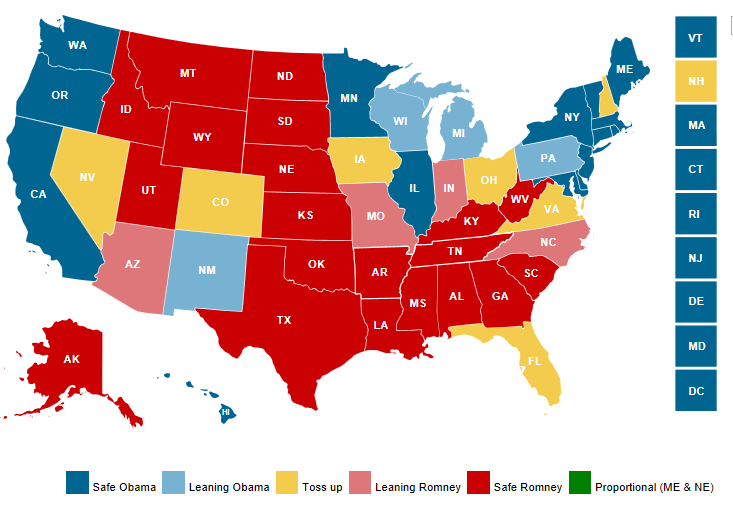
Using the map from Real Clear Politics, there are 11 “toss up” states.  That distinction is given to states where the polling is +/- 5 points.  The electoral vote with out the 11 toss-ups is 201-191 Obama.  But in order to really attempt to predict anything, I’m going to put some of these states as leaners for Obama and Romney.

States like Pennsylvania, Michigan, Wisconsin, and Nevada seem pretty set as leaning towards Obama.  Romney seems to have a significant, albeit significant lead in North Carolina, Florida, and Virginia.  After allotting those votes, the race remains tight with Obama leading Romney 253-248.

There are 4 states left that are pure toss-ups.  Obama and Romney are within a single point of each other in New Hampshire, Iowa, Colorado, and Ohio.  Just 37 electoral votes are between these states.  However, taking nothing away from New Hampshire, Iowa, and Colorado; the state of Ohio really is the lynchpin of this election for both sides.  It’s 18 electoral votes would put Obama over 270 if he were to win it, and would put Romney just 4 votes short if he were to pull it out.

Many people may pontificate on TV about how they know exactly what will happen in Ohio or anywhere else, but this race is truly one that is too close to call.  The polling is simply too erratic and the margins just too close together.  It’s hard to believe that either candidate will pull away in the final days.  What’s more likely is that the race will be a turnout matchup.  Which side can get more of their side to the polls.  Most independents have made up their minds, and those that haven’t historically split anyway.  The winner of the Presidency on November 6 will be the team that can motivate their respective supporters to brave the weather and vote.  Down the final stretch, that’s where you can expect the focus to be.