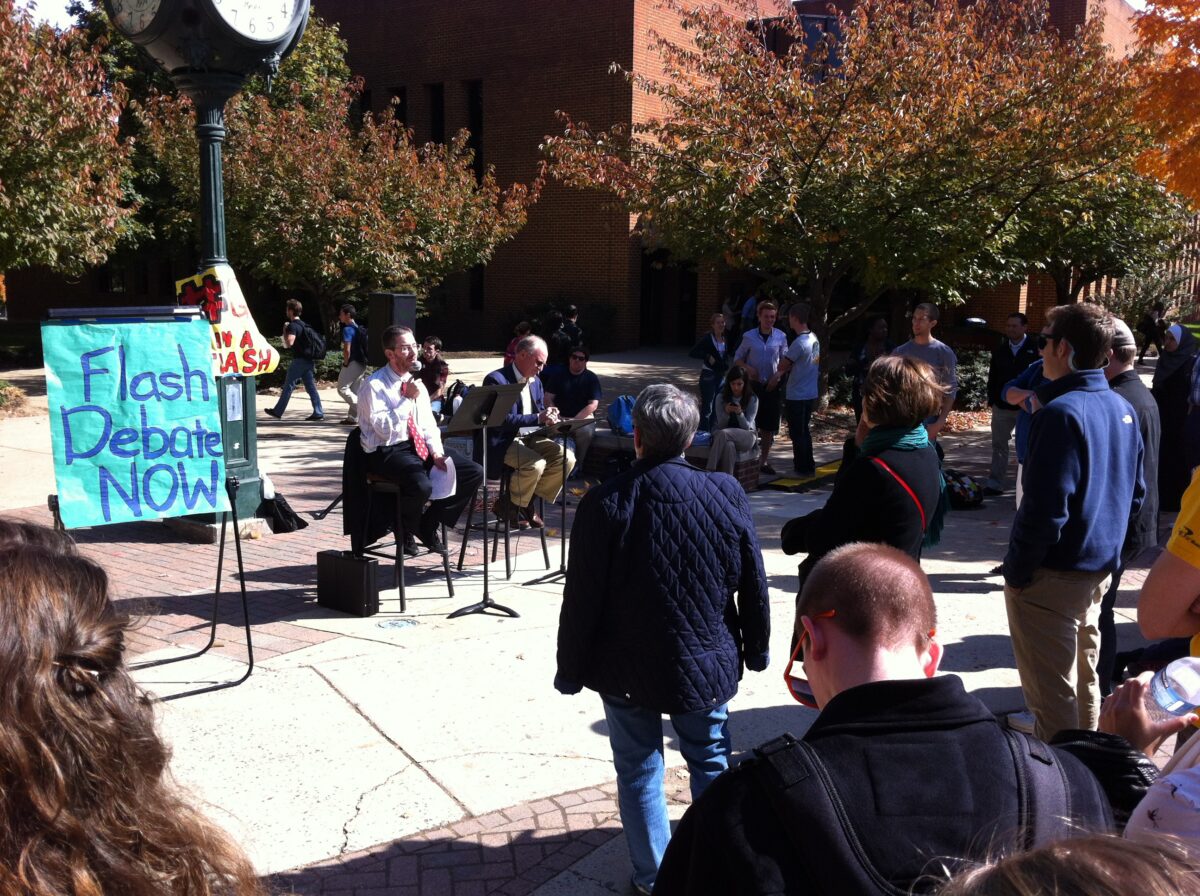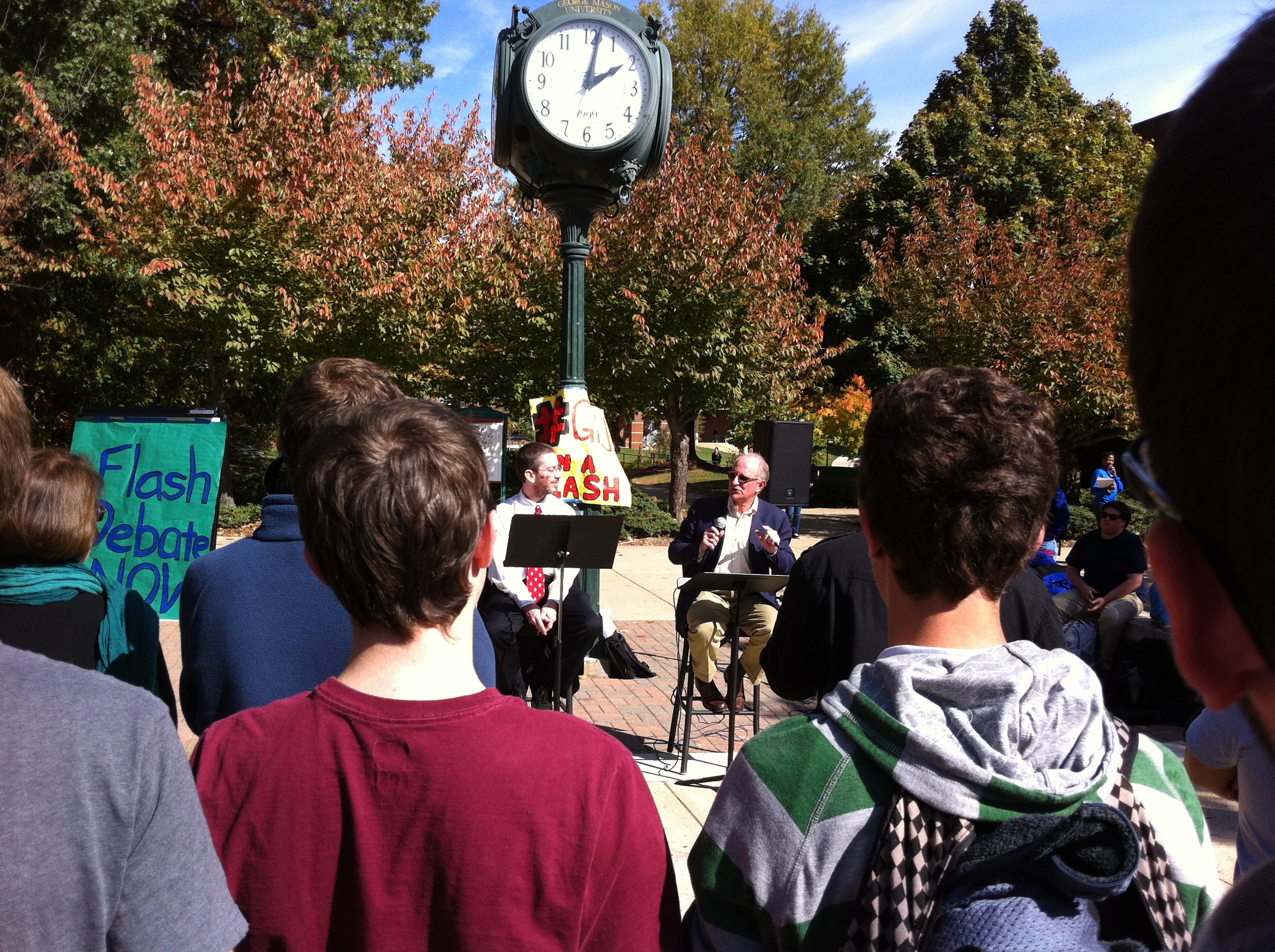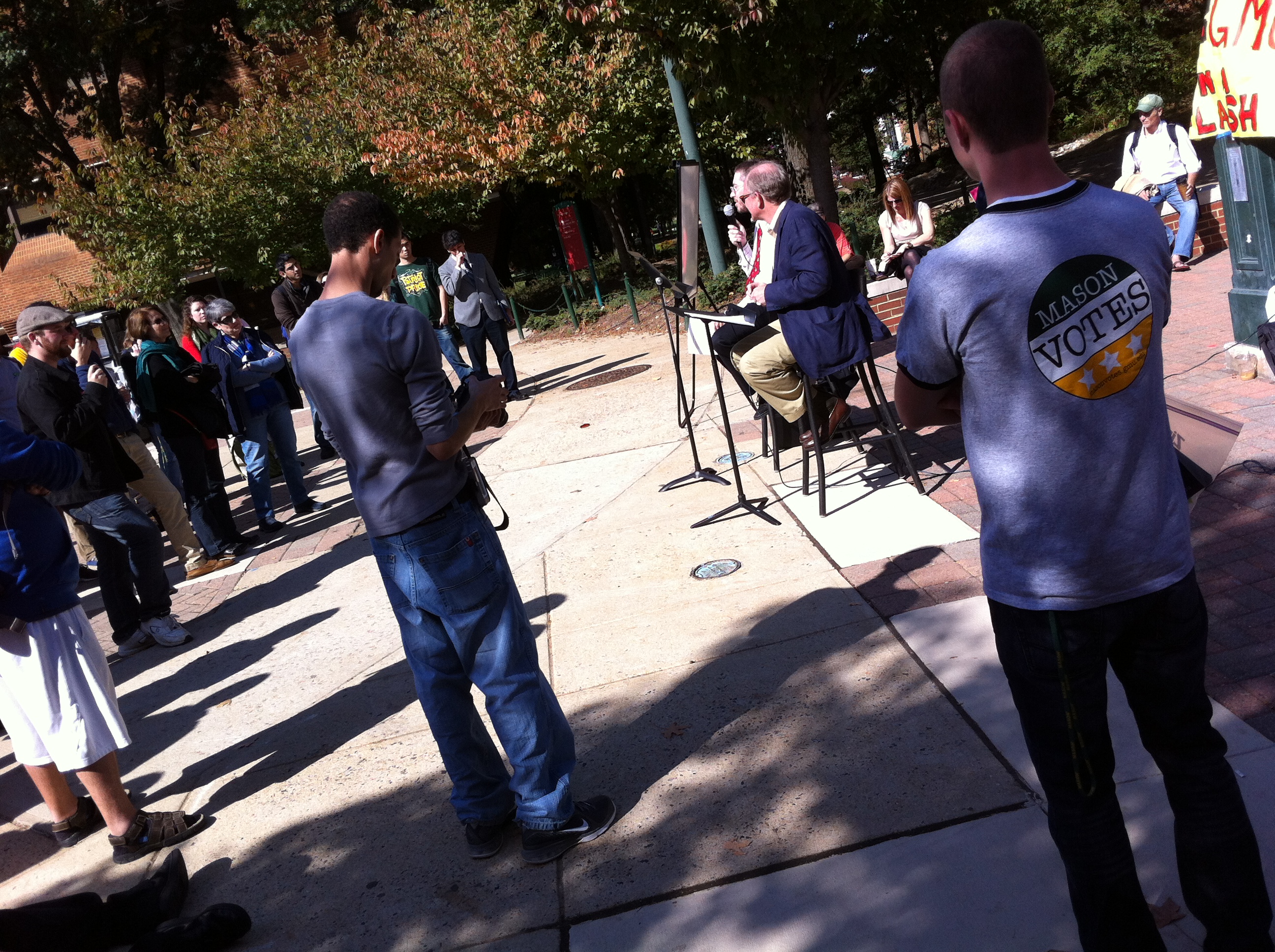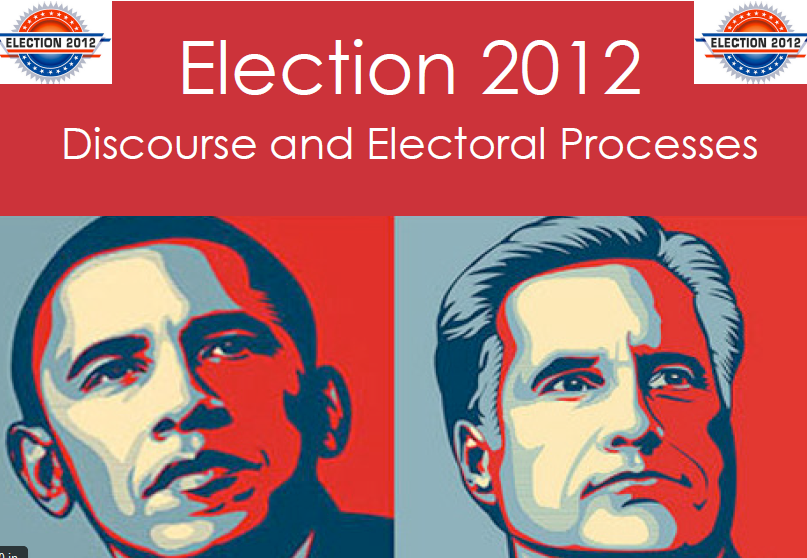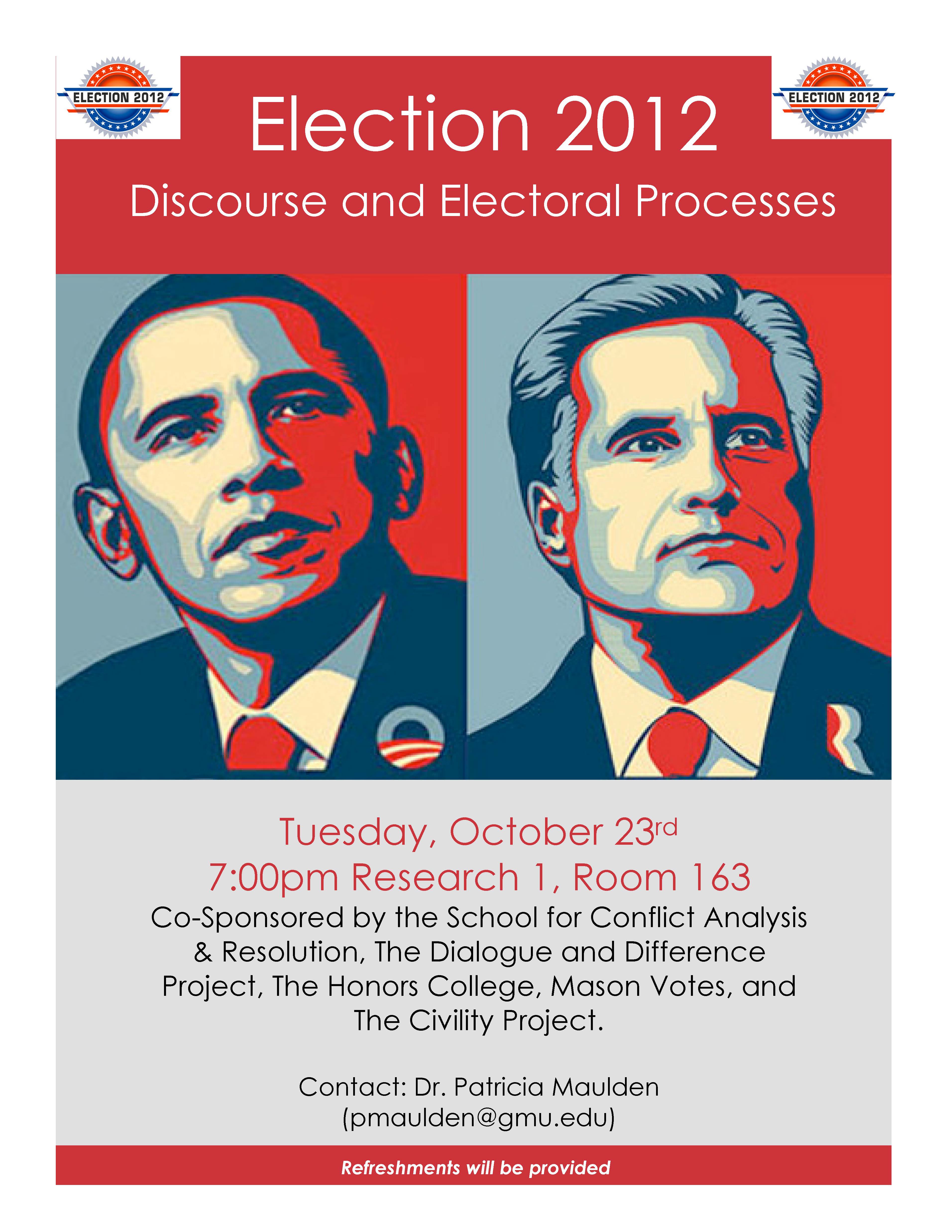
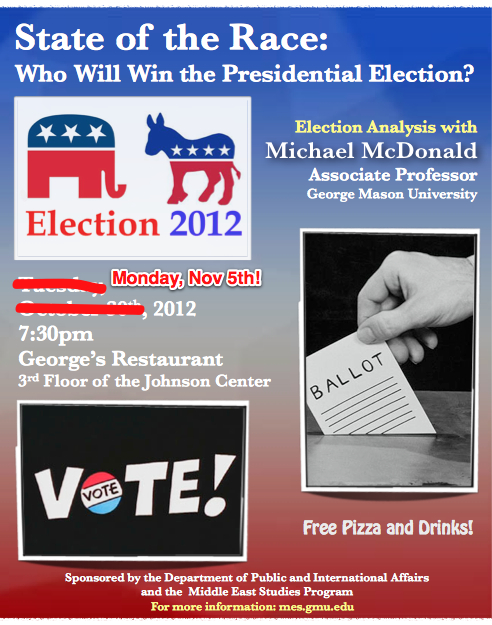
GMU Student Government sponsored a flash lecture today, Oct. 17, 2012, on the economy and the election. The flash lecture was debate style on the Johnson Center North Plaza that began at 1:30pm between Professors Caplan and Pearlstein.


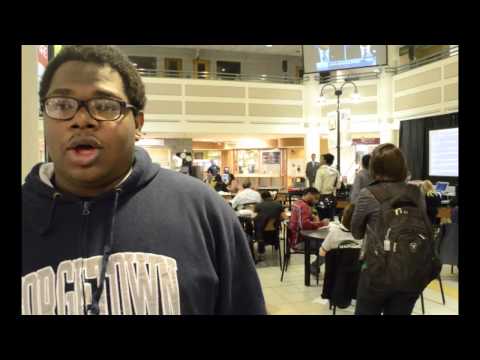
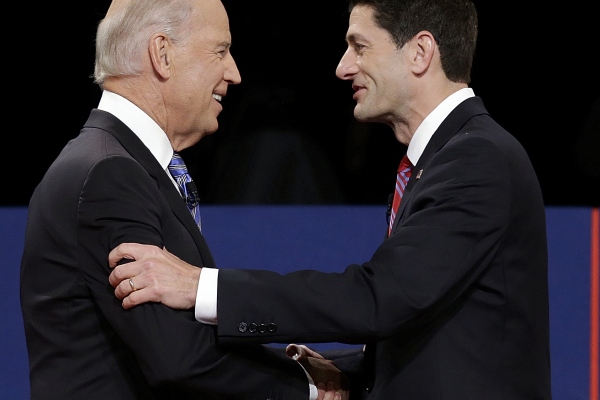
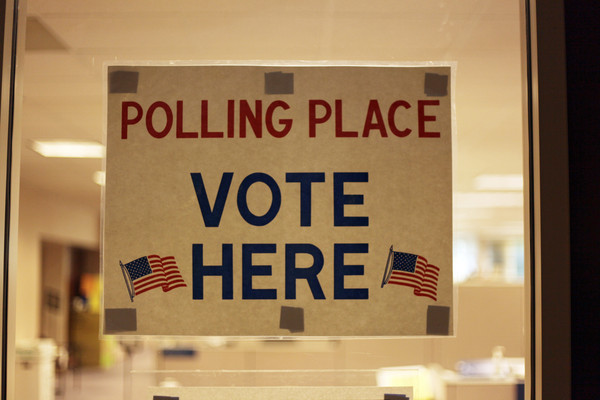
Connect2Mason was on scene at the Mason Votes Vice Presidential Debate Watch Party October 11, 2012. Here is what students had to say about the debate and Presidential race so far.
[youtube]http://www.youtube.com/watch?v=CPlnvhJJ7Ns&list=UU1TuP1898FOdPrvng_HGDCA[/youtube]

NARAL Pro-Choice Virginia will be canvassing in the Fairfax, VA area every weekend in October, starting this Sunday (October 14th) in Springfield, VA from 2-5pm. Because of a recently received grant, we are able to pay students and supporters who would like to canvass with us.
We will be targeting historically under-represented women voters in Virginia, with a focus on women of color, low-income women, single mothers, and recent college graduates. Although we will be talking about women’s health, we will be operating on a non-partisan basis and are not endorsing one candidate or another in the presidential election – just making sure women are registered, informed about new voter ID laws, and ready to vote on November 6th.
What: Paid Canvassing Opportunity w/ NARAL Pro-Choice Virginia
Where: Fairfax County (Lorton, Springfield, and Fairfax city)
Stipend: $10/hour
My name is Michael Lore and I am the Virginia Grassroots Poll Monitor Volunteer Coordinator for Common Cause. The 2012 election is upon us and VA is a battleground state with new districts and new identification standards at the polls. I applaud you for your interest to be an engaged citizen on Election Day 2012. We are a non-partisan coalition of groups that seeks fair and open elections with as much participation as possible. (www.866ourvote.org)
The roll of a grassroots poll monitor is fairly simple. Although you will learn the specifics when you are trained, the basic idea is that you would serve as a frequently asked question guide outside the polls. Most of the time will be spent helping citizens who are confused about their polling place or whether they can vote on a regular ballot or provisional, you would serve as a first line of defense and a go-between with our command centers around the state and national offices. Overall, we need boots on the ground to help voters and relay problems to our central offices so we can examine trends and alert the election officials of the problems. You will not be an election official, you will be the non-partisan citizen oversight of those officials from a distance.
In 2008 I was an election protection volunteer in Virginia and the experience gave me the reward of a patriotic pride of participation in our democratic process. As a grassroots election protection volunteer you will be a true participant in the process, without a partisan hat. However, if you so desire, you can put your partisan hat on, once you have taken off the Election Protection shirt, you must also however go to a different polling place than where you were volunteering.
Just a reminder, Election Day is November 6th and your participation in the grassroots poll monitoring program will require a commitment to work several hours on Election Day and to be trained to handle your role outside the polls before Election Day where you will be assigned to a polling place near you, or if you are available to one of the more contentious areas in the state. Spanish speaking individuals are especially desired.
Please sign up at this link TODAY.
http://salsa3.salsalabs.com/o/50015/p/salsa/web/questionnaire/public/?questionnaire_KEY=1297
The trainings will begin next week (NOVA: Saturday Oct 20th 10am-12pm or Friday Oct 26th 6-8pm) and we are trying to determine if we will require additional trainings, so please sign up as soon as possible. Do not hesitate to call or email if you have any questions prior to the trainings, but training info will be found on the electronic sign-up sheet at the link above and we will be in touch when you have signed up. I know you are busy with day-to-day responsibilities, so we will ensure that your time is truly appreciated and not wasted.
Regards,
Michael
POSITION AVAILABLE: Student Fellow
LOCATIONS: VA
REPORTS TO: Youth Outreach Coordinator
ESSENTIAL FUNCTIONS: Common Cause is seeking campus fellows with excellent organizing, outreach, communication and programming skills to assist in the implementation of our “Greater Cause” fellowship program in several states. Fellows will support Common Cause by working on campus to organize youth educational events and engage students in nonpartisan election activities. Fellows will also have the opportunity to assist with current Common Cause issue campaigns including but not limited to the issue areas of corporate accountability, money and politics, government accountability and election reform.
RESPONSIBILITIES: Assist in developing a campus outreach plan for your specific campus, help design and implement recruitment tactics to build a volunteer base on campus, serve as a liaison from your specific campus to Common Cause, execute a set number of “frappe n’ raps” in your community (informal coffee shop style discussion series), find creative ways to share policy information with peers, open and maintain communication between campus administration, organizations, faculty and Common Cause, and recruit volunteers for the national polling place participation program.
QUALIFICATIONS: Experience with organizing especially among Millennials; Basic writing skills; Any student in good standing is eligible and all majors are welcome. Fellows will receive a stipend. Course credit may be available depending on administrative rules and restrictions. Working knowledge of social media tools including Facebook and Twitter.
TO APPLY: Please submit resume, cover letter to Director of Human Resources at [email protected] & [email protected], and include VA STUDENT FELLOW in the subject line; or fax to 202.355.7546. No phone calls please. Applicants are encouraged to respond as soon as possible. For more information, please visit: www.commoncause.org.
Be an Election Day Officer in Fairfax County
Long lines at the polls. Confused voters with no one to help answer their questions. People leaving the polls without casting a ballot.
These scenes could be common in Virginia if an urgent need for election officers (also known as poll workers) is not met. Fairfax County is 500 election officers short, and the last training opportunity for election officers is Tuesday.
General Registrar Quinn has reached out to Common Cause and our coalition partners with strong warnings that the election officer shortfall is at a crisis stage. Let’s make it easy for all Virginians to vote on November 6.
To be an election officer, you must be a registered Virginia voter who does not work directly for an elected office holder.

Election officers can work a half or full day, and are paid about $100 for the day. You don’t need to be a resident of Fairfax County to sign up. If you can work, you can apply by calling: (703) 324-4735. More info at: http://www.fairfaxcounty.gov/elections/working.htm
Application: http://www.fairfaxcounty.gov/elections/training/eoapprev2012.pdf
If you have any questions, please contact Common Cause’s VA Election Protection Volunteer Coordinator, Michael Lore at [email protected].
Check out the Vote Easy tool by Project Vote Smart to find out, “which candidates best represent you.” Find out what the candidates are saying about the issues.
How do you measure success?
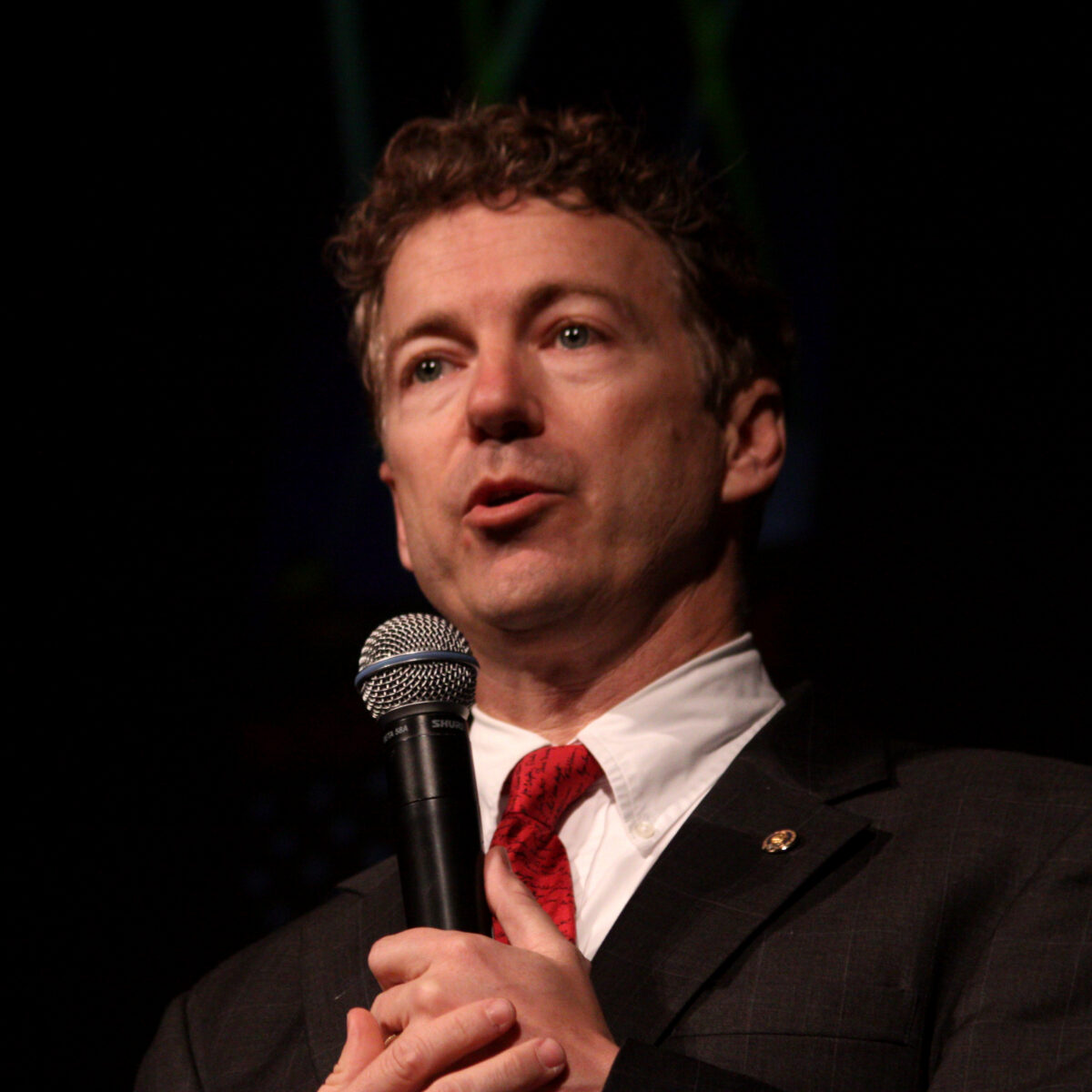
Ask a fiscal conservative like Rand Paul, and he or she will tell you that success is measured in nothing but dollars. Rand Paul expressed this sentiment in the Senate when he suggested that the United States Postal Service should not be bailed out with government money.
“I always ask people would you like to buy the Postal Service?” Paul joked. Then he lamented, “If we could just sell it to somebody.” According to Paul, a public service should be completely privatized, or else abolished, simply because it isn’t making a profit.
Last time I checked, the purpose of a national Post Office is to deliver mail, not to impress shareholders. Paul claims to be a strict constitutionalist, and yet he ignores the fact that the Constitution’s Postal Clause doesn’t require the USPS to be profitable.

Paul acknowledged his idea would be politically unpopular. But his suggestion, that a public service as crucial as the Postal Service should be made into a private company, betrays his elitist attitude: Paul thinks that nothing is successful unless it is profitable. To him, unprofitable government spending always equals failure.
But Paul’s profit-first standard is really elitism of the worst kind. Privatizing or charging more for public services on the grounds of saving money is the worst thing a government can do.
For example, if the Post Office were privatized, many people would stop getting mail.
This is because it’s impossible to make a profit delivering mail to poor, rural areas. Costs outweigh the earnings to be had providing small towns or farms with this service. No private company would do it unless the residents of those places paid a fee to cover the costs. Requiring the Post Office to make a profit would mean extorting some Americans, or else cutting them out of the loop altogether.
If you don’t think a for-profit Post Office would be so cruel to the poor, let me recount the far crueler madness that goes on near South Fulton.
One year the City of South Fulton, Tennessee, was having trouble funding its fire department. The fiscally conservative state government refused to raise taxes to help South Fulton. The city didn’t want to raise taxes on its own people either. Consequently, the city decided that outlying rural areas would have to pay an annual fee if they wanted to keep their fire protection.
Two years ago, a rural man’s house caught fire. He had not paid the year’s fee. South Fulton firefighters showed up—and watched as his house burned.
Yes, really. The firefighters only came to protect the property of neighbors who had paid the fee. Though the poor man begged, the firefighters refused to help him; if they did help, they said, other poor people would stop paying the fee.
The rural man and his family lost their house and everything they owned. Their pets—three dogs and a cat—died in the flames. Another home near South Fulton suffered a similar fate in December last year. There’s no sign South Fulton will put humanity before profit any time soon. One might wonder if Rand Paul ever asks people whether they’d like to buy Kentucky’s unprofitable fire departments.
But let’s pretend for a moment that you don’t feel any empathy for the poor. What has profitless government spending done for you?
You’re a Mason student. Did you apply for any cheap federal loans? Be careful with your answer. According to a 2008 Cornell University study, 53% of students given low-interest student loans from the government claimed they have never benefitted from a federal program. Unless you were born into the Paul family and have thousands of dollars for an up-front payment every semester, you probably did.
Next time your economics-majoring friend complains about government spending, ask him if his family took out any federal loans. If he says no, ask him which iPhone app he invented to cover his $4,000 tuition.
The next time Rand Paul complains about government spending, remember that he’s really annoyed that poor and middle-class people are being helped without a concern for profit.
To be fair, not all government spending is helpful. The grossly inflated defense budget is one such expense. However, most fiscal conservatives aren’t complaining about this years’ $1.4 trillion defense budget.
Maybe the Libertarians are complaining, but they seem to think post offices, fire departments, and student loans are as wasteful as foreign wars. They measure success in dollars, so it’s probably hard for them to see a difference.