Mason Votes

Mason Students “Party at the Polls”

Shuttle, VOTE, Lunch, Repeat!

By: Kyler Cartmill, Mason Votes Contributor
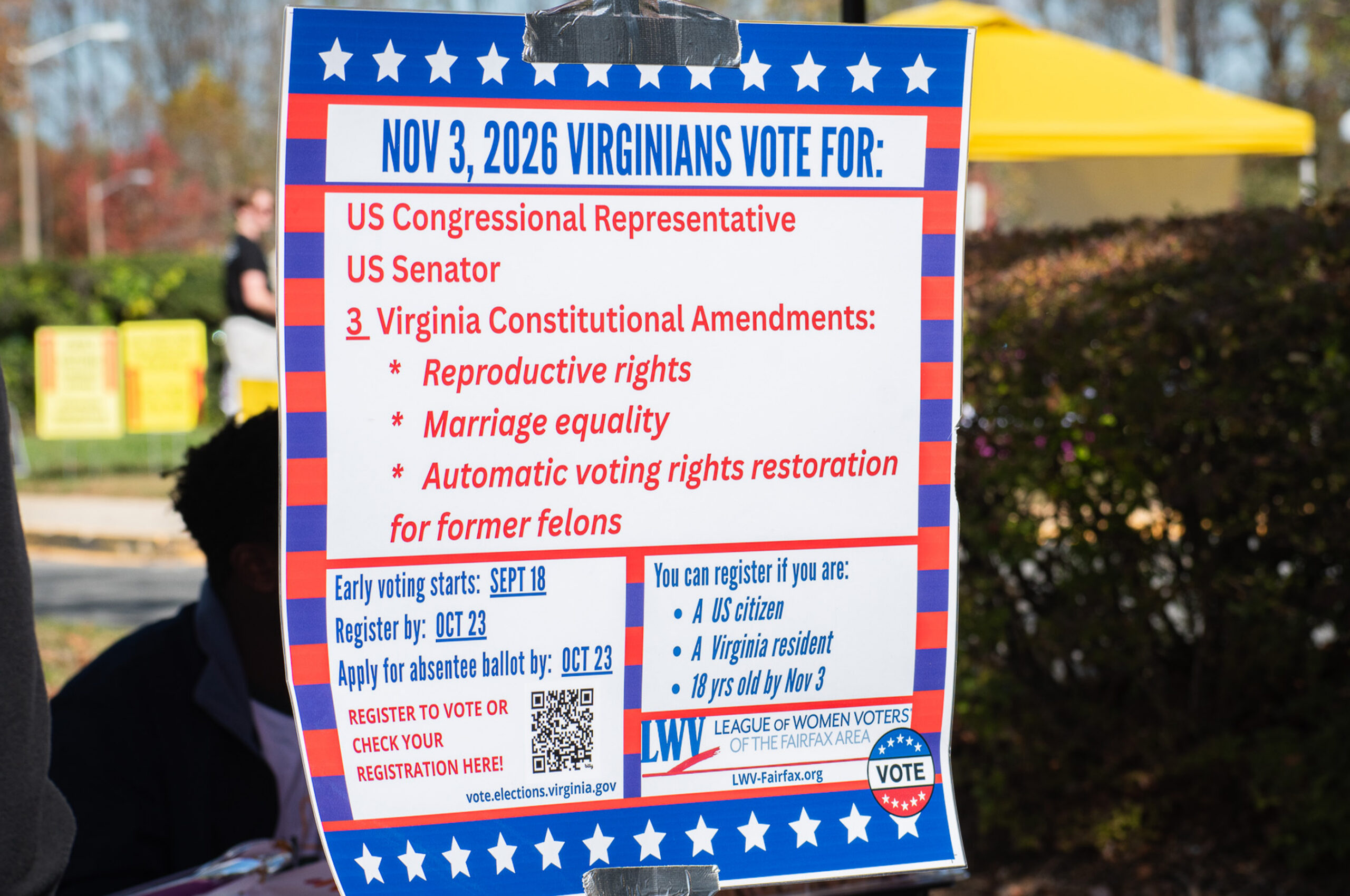
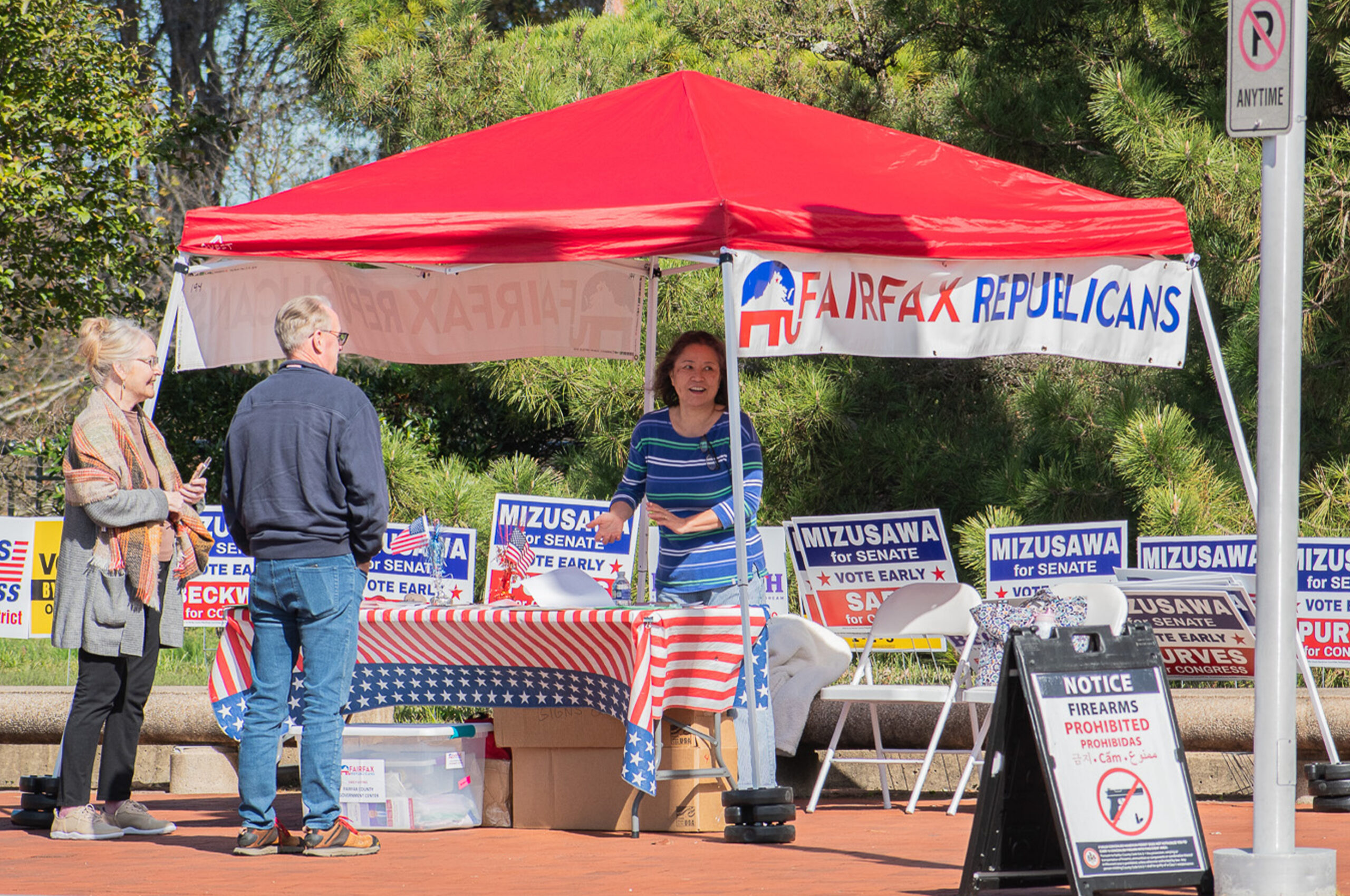
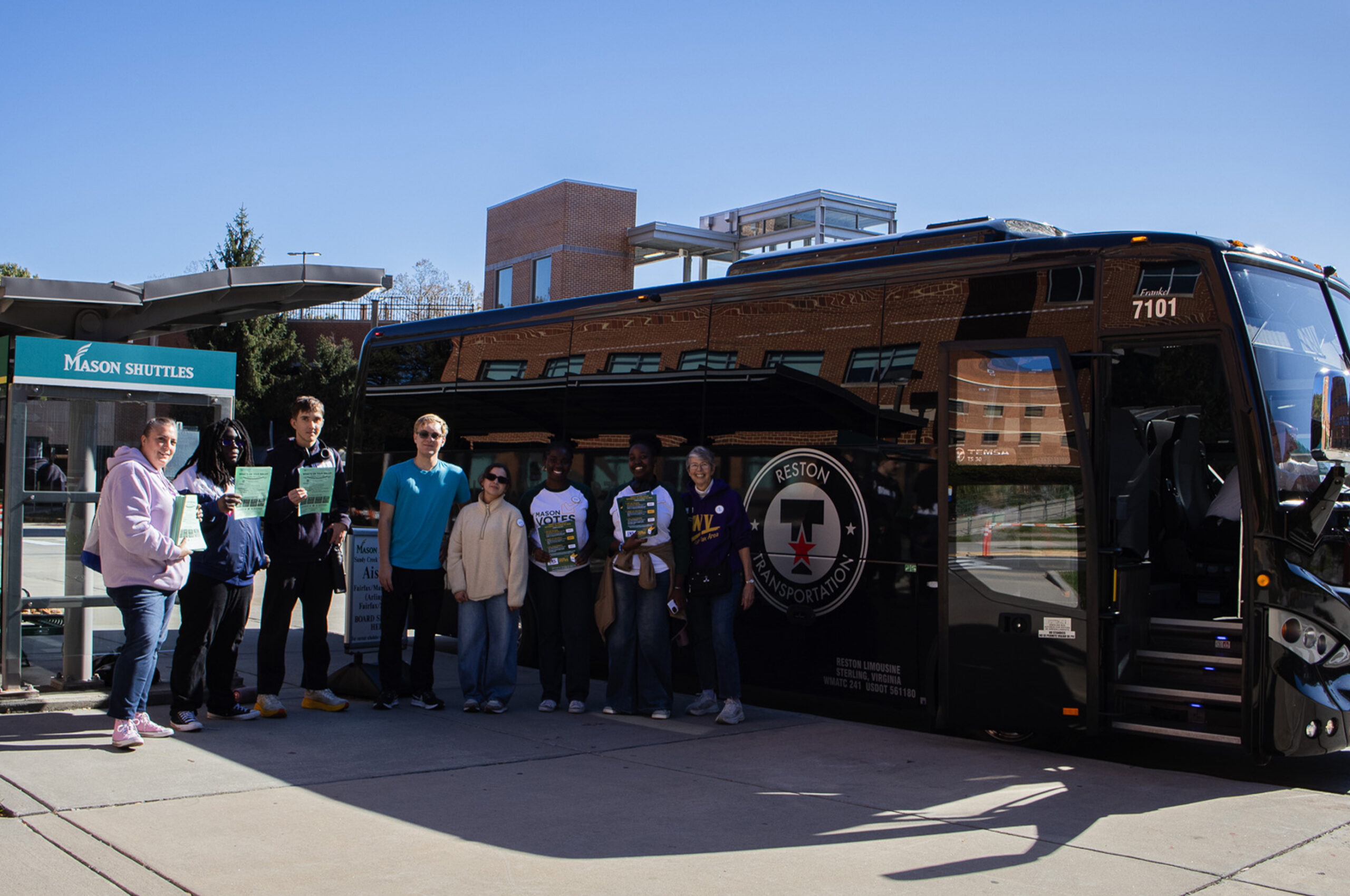
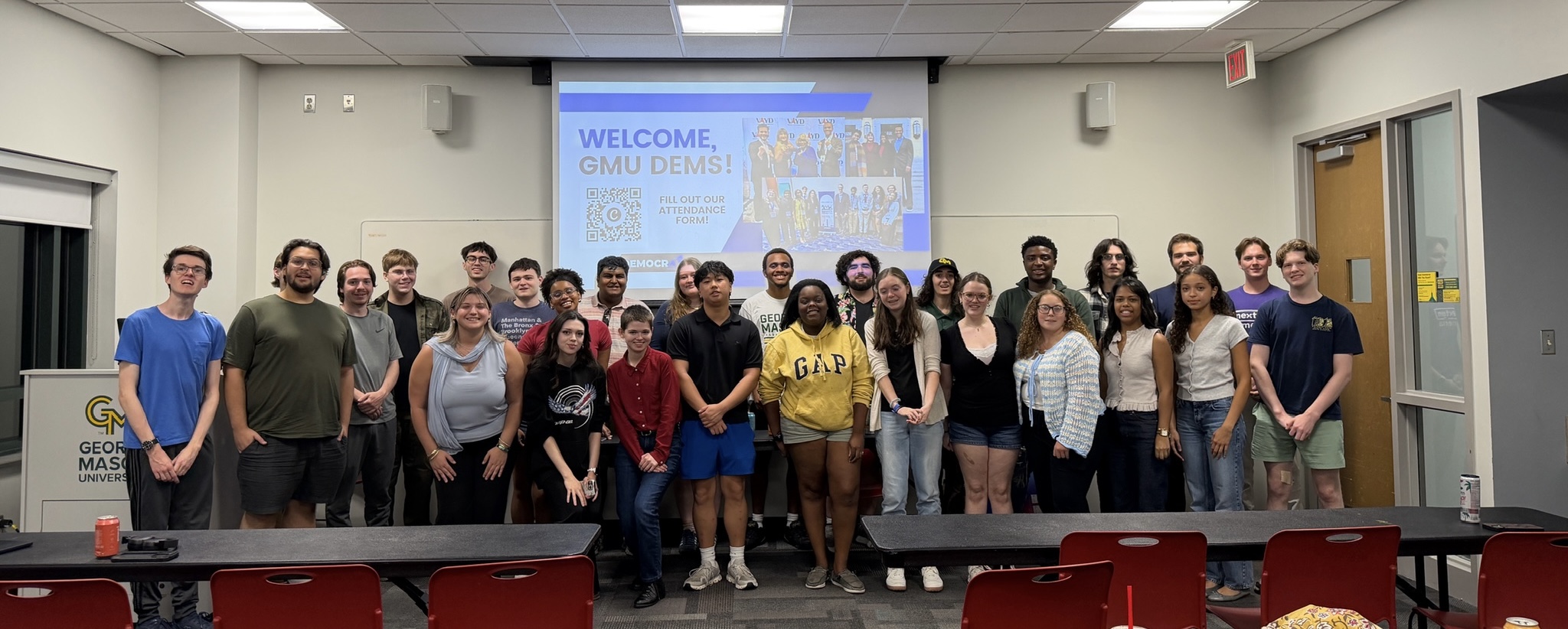
Photo of the 2026 Party at the Polls event sponsored by the League of Women Voters
Photos by: Seyedmohamma Vaghoorkashani

On Saturday, October 24th, Mason students had the opportunity to vote early in person by participating in a Party at the Polls event organized by the League of Women Voters (LWV) and Mason Votes.

Since transportation can sometimes be a barrier that makes voting harder for students, Party at the Polls offered free round-trip shuttle rides from two locations on campus to the early voting location at Fairfax County Government Center.

Photo of the 2026 Party at the Polls event sponsored by the League of Women VotersWhile voting may be viewed as a solitary civic duty by some, Party at the Polls sought to foster a more festive atmosphere and provide extra incentive for students to make their voices heard as part of the 2026 midterm election. The LWV sponsored a food truck and played music outside the polling site so students could enjoy a free lunch with friends after voting before boarding the shuttle back to campus.

Photo of the 2026 Party at the Polls event sponsored by the League of Women VotersThis was the first Party at the Polls, but both LWV and Mason Votes hope to make it an annual tradition. “We honestly had very little expectations going in, because it’s the first time that we’ve ever done this aspect of voter engagement and sort of voter shuttles from Mason, so we really didn’t know what to expect.” said Rhonda Mays, a volunteer with LWV since last spring.

Photo of the 2026 Party at the Polls event sponsored by the League of Women VotersParty at the Polls helped many Mason students take advantage of the opportunity to vote early in person: “It really helps that I had direct transportation here. I don’t have a car on campus, so it’s way easier when I do have direct transportation, that makes it much more accessible for me to vote,” said student Miranda Jones.

Arina van Breda, assistant director of voter registration for the Fairfax Area LVW, helped organize the event: “I view this kind of as a secular version of a time-honored technique called Souls to the Polls, which a lot of black churches have used in order to get their congregants, their community members, to the polls.”

Photo of the 2026 Party at the Polls event sponsored by the League of Women VotersSet up for the event started early that morning, with volunteers in high spirits, eager to welcome student voters: “I would say my favorite part is coming together as a team,” said Jerusalem Mekonnen, president of League of Women Voters at Mason. “It’s a big community, and it really shows you that you can work with your friends. The people I work with have gradually become my friends. So the people, the passion is what I’m most excited about.”

Photo of the 2026 Party at the Polls event sponsored by the League of Women VotersMason students were excited to get off campus and vote: “As students, [we] should definitely be involved not only in our home communities, but we spend a large portion of the of our time here…and seeing how we can help the community, and not only do school activities and whatnot.” said Angeli Barragan.

Barragan, along with Kayla Yang and Bryanna Ortiz, are Mason students who decided to attended Party at the Polls together:

Photo of the 2026 Party at the Polls event sponsored by the League of Women Voters“A few Mason Votes students came up to me, and asked me if I was interested in coming to Party at the Polls, and I realized I had time today, so I just had to go.” said Yang.

“[Students] should definitely come out. I feel like it’s a really good opportunity to go vote early, and if they have an opportunity next year or any other elections, definitely make some time because it was really quick to get here. It was [free] transportation and it’s on a weekend!” said Ortiz.

_____________________________________________________________

Photos by: Seyedmohamma Vaghoorkashani


Virginia Voters to Decide Amendment on Automatic Voting Rights Restoration

Question 3 Would Restore Voting Rights Upon Release From Felony Incarceration

By: Rithvik Hari, Fourth Estate Staff Writer

This story was originally published on gmufourthestate.com. Fourth Estate is Mason’s official student-run newspaper.

Photo of election signs outside Fairfax City Hall
Signs urging voters to vote yes or no on three proposed Virginia constitutional amendments stand side by side at Fairfax City Hall on Oct. 28.

Virginia voters will decide on Nov. 3 whether to amend the Virginia Constitution to automatically restore voting rights to people released from incarceration for felony convictions, replacing a constitutional system that places restoration under the governor’s authority.

If approved, the amendment would take effect Jan. 1, 2027.

The proposal, listed as Question 3 on the ballot, would also establish a fundamental right to vote in Virginia and narrow the circumstances under which a court can disqualify someone from voting based on mental capacity.

The referendum comes after a federal court ruling substantially changed how Virginia administers its existing felony voting restrictions. Under current Department of Elections guidance, people who are no longer physically incarcerated and whose convictions are not “disqualifying common-law felonies” may register without first receiving restoration from the governor.

The department identifies three Virginia statutory offenses that will remain disqualifying: murder, voluntary manslaughter and involuntary manslaughter.

What Would the Amendment Change?

Virginia’s constitution currently states that a person convicted of a felony cannot vote unless their civil rights have been restored by the governor or another appropriate authority. Question 3 would replace the language with a provision tying the loss of voting rights to incarceration for a felony conviction.

Upon release, the proposed text says a person would, “without further action required of him,” regain “all political rights, including the right to vote.” The change would remove the need for an individual restoration decision by the governor.

The amendment ties restoration to release from incarceration rather than completion of a full criminal sentence. It would not require a person to finish probation or parole, or pay fines and restitution, before regaining voting rights. It also contains no exception excluding particular felony offenses from automatic restoration after release.

Restoration of eligibility would not automatically register someone to vote. People whose rights are restored would still need to register and meet the state’s other voter qualifications.

What a YES or NO Vote Means

A “yes” vote would approve automatic restoration after felony incarceration, establish a fundamental right to vote and require a specific court finding about understanding the act of voting before a person loses eligibility on capacity grounds.

A “no” vote would leave the existing constitutional language in place. It would not, by itself, overturn the federal court ruling or the Department of Elections’ current guidance allowing many people with felony convictions to register without gubernatorial restoration.

Early voting for this election has begun and ends on Oct. 31. Election Day is Nov. 3. Find your polling place through the Virginia Department of Elections.

_____________________________________________________________

Photo by: Giuseppe S. DiStefano / Fourth Estate

Fairfax County Voters to Decide on Two Bond Measures

Fairfax County Voters Will Determine Fate of $255 Million in Bonds

By: Lorenzo Iraheta-Leon, Fourth Estate Staff Writer

This story was originally published on gmufourthestate.com. Fourth Estate is Mason’s official student-run newspaper.

Photo of Fairfax City Hall exterior
Fairfax City Hall, peppered with political campaign signs on Oct. 28.

Fairfax County voters will decide on Nov. 3 whether to authorize funding for county infrastructure projects totaling $255 million.

The two measures include a $180 million bond for parks and park facilities and a $75 million bond for community health and human services facilities. The Fairfax Board of Supervisors approved the measures at its June 23 meeting, sending them to the November ballot.

Bonds allow local governments to borrow money for major construction, renovation and infrastructure projects. According to Fairfax County, the bonds, if approved by voters, can only be used for the purposes outlined in their respective ballot questions.

What Would the Bonds Fund? 

The $180 million park bond would fund renovations to existing parks and recreation centres, address maintenance needs and support the development of new recreation facilities.

According to the Fairfax County Park Authority, the funding would be divided among five categories, with the largest portions going toward recreation centers and repairs to existing park facilities.

Of the proposed funding, $89 million would go toward recreation center improvements, including a new Audrey Moore Recreation Center. The nearly 50-year-old facility recorded more than 333,000 visits last year and faced issues with accessibility, limited programming space and aging equipment.

The bond funding would also support maintenance at other recreation centers and planning for future renovations at the Franconia and Providence recreation centers. The centers are located approximately 19 minutes from George Mason University’s Fairfax campus in Alexandria and 15 minutes away in Falls Church, respectively.

Another $51 million would go toward repairs and maintenance across the county’s park system. The Park Authority reported $201 million in unfunded maintenance needs, meaning the proposed bond would address only part of the existing queue. The money would help repair or replace aging facilities, including playgrounds, athletic fields, trails and lighting.

The remaining $40 million would support new park projects, additional recreational features and protection of natural and historic areas. This includes $19 million for new parks and major renovations to existing ones, $12 million for land purchases and preservation of natural and cultural sites, with an additional $9 million for new features at existing parks.

The second measure would provide $75 million for community health and human services facilities. According to the county’s official ballot explanation, $35 million would go toward renovating or replacing the Joanne Jorgenson Public Health Laboratory, located in the former Belle Willard School building in the City of Fairfax.

The laboratory performs over 200,000 tests each year for Fairfax County and surrounding communities. It is the only public health laboratory in Virginia, providing clinical and environmental testing services.

The proposed bond would fund renovations or replacement of the facility to help maintain its ability to provide these services and meet the region’s public health needs.

The remaining $40 million would fund renovations or replacement of facilities at the Tim Harmon Campus in Chantilly, which provides residential treatment for people experiencing substance use disorders and behavioral health conditions.

The campus houses A New Beginning, the Fairfax Detox Center and the Northern Virginia Adolescent Treatment Center.

The county’s current project plans may change, but the money must remain within the purposes outlined in the ballot questions.

What a YES or NO Vote Means

A “yes” vote allows the county to borrow money for projects such as park improvements, recreation center renovations and upgrades to health and community service buildings.

A “no” vote rejects the proposed borrowing for these purposes, meaning efforts to renovate and upgrade facilities would be delayed as the county finds other methods to fund the projects.

Early voting for this election has begun and ends on Oct. 31. Election Day is Nov. 3. Find your polling place through the Virginia Department of Elections.

_____________________________________________________________

Photo by: Giuseppe S. DiStefano / Fourth Estate

Club Spotlight: College Republicans

“Stay Educated and Stay Active”

By: Seungha Yoo, Mason Votes Contributor
Photo of GMU College Republicans club
Learn more about the College Republicans via Mason360 or follow them on Instagram: @crsatgmu

With less than one week until Election Day 2026, the campus atmosphere at George Mason hums with a familiar frequency of high-stakes political curiosity. Between debate circles forming in front of Fenwick Library and Mason Votes registration kiosks in the Johnson Center, students are becoming increasingly aware of what’s at stake in the November 3rd midterms. And nowhere is that momentum more visibly being translated into action than within our University’s active student political organizations.

For the GMU College Republicans, this upcoming election cycle means rolling up their sleeves for an uphill battle and ensuring conservative voices have an active seat at the table. In fact, their very own president states it best: “Stay educated and stay active.” As one of the core political student groups on campus, the organization has been actively working to foster dialogue and mobilize students as members look toward a pivotal moment for local, state, and national politics.

Mason Votes recently sat down with Xavier Quiroga (class of ’28), a computer science major and president of the GMU College Republicans, to get a closer look into how the club is navigating the 2026 elections—from the happenings inside the club to their upcoming outreach efforts to how students can get involved. Quiroga is also president of the campus chapter of Turning Point USA (TPUSA).

Mood & The Stakes

Heading into the midterms, the energy among members of the College Republicans is clear-eyed, pragmatic, and determined. Acknowledging the political landscape of Northern Virginia and current national projections, leadership recognizes the challenges ahead, but that has only fueled their resolve to put in the work on the ground.

“When it comes to the midterms, we know that we’re facing an uphill battle. We’re looking at the polls, we know that we’re not doing too hot in the polls right now, but our group is ready to do whatever we can to put up a good fight and make sure that good, solid Republicans wind up in Congress this November,” Quiroga shared.

For members, however, the most immediate and critical stakes of this election cycle center on the Virginia state ballot. Specifically, the organization has directed much of its attention toward the proposed statewide constitutional amendments—most notably Amendment 1 (regarding abortion) and Amendment 2 (regarding marriage definitions).

“The biggest risks that we see going into the Virginia election this November is really with regards to the amendments,” Quiroga explained. “The main one we’re concerned about is abortion. Obviously, if Amendment 1 passes, then it’s going to give way for minors to get abortions without their parental consent, among a variety of other policies that would go against the sanctity of life.” Defeating Amendment 1 stands as the club’s primary policy focus and the defining legislative outcome they hope to influence this fall.

Looking more locally, while Mason’s Fairfax campus sits in Virginia’s 11th Congressional District, student organizers remain realistic about the electoral math. Reflecting on past election margins in deep-blue Northern Virginia, Quiroga rated conservative chances of flipping the seat at around a 2 or 3 on a 10-point scale.

Even so, leadership emphasized that realism does not mean resignation: “We’re still going to do everything we can.”

Recognizing that a significant portion of Mason students commute from neighboring areas like the 8th and 10th Congressional Districts, the organization has made a concerted effort to bring candidates directly to campus. The club hosted 8th District candidate Tony Sabio to address the Republican board and brought 11th District candidate Arthur Purves to an on-campus meeting. Purves’ emphasis on “Make America Healthy Again” resonated strongly with members, offering students a rare chance to engage with candidates face-to-face in an intimate setting.

Action & Outreach

Back on campus, the organization’s weekly meetings serve as an interactive forum for civic education. Held every Wednesday, the gatherings feature guest speakers who participate in open Q&A sessions, allowing students to ask tough questions and explore conservative ideas in an accessible environment.

The club’s outreach also extends well beyond Fairfax. Working in tandem with the Virginia College Republicans, members are participating in door-knocking deployments and gearing up for a major canvassing push in Michigan.

As November 3rd draws closer, the group plans to ramp up on-campus visibility. In keeping with a long-standing club tradition, members will set up a tent and table outside campus polling locations on Election Day to distribute educational candidate literature to voters. Leadership views this initiative as essential for voter clarity: regardless of party lines, providing information directly at the polls helps students cast informed, deliberate ballots.

Building Coalitions Across Campus

Collaboration is a cornerstone of the group’s campus strategy. The College Republicans maintain close daily ties with Turning Point USA and the Fairfax Republicans board, sharing resources, field representatives, and speaker networks to maximize their campus footprint.

In addition to major political bodies, the club actively supports aligned causes on campus. This semester, leadership has been working alongside Students for Life, offering tabling support and handing out literature on their behalf as the pro-life group works through the administrative process to officially become a registered student organization (RSO) at Mason. The club also continues to participate in campus-wide civic traditions, including plans for the annual multi-partisan debate alongside groups like Democrats at Mason and Bridge Mason.

Getting Involved

For students looking to jump into the action, the College Republicans maintain an active Mason360 email list and Instagram:

General meetings are held weekly on Wednesdays from 8:30-9:30pm in the Johnson Center, with free pizza every week!

Final Remarks

In the final days of the 2026 campaign, the overarching message from the College Republicans boils down to continuous civic responsibility and independent thought. When asked to summarize why voting matters this election in just five words, Quiroga’s message to the student body was simple and direct: “Stay educated and stay active.”

_____________________________________________________________

Transparency Note: Author Seungha Yoo is affiliated with the Democrats at Mason student organization. This article has been reviewed to ensure objective reporting.

_____________________________________________________________

Photo courtesy of: GMU College Republicans

Club Spotlight: Democrats at Mason

“Don’t Let Them Silence You”

By: Seungha Yoo, Mason Votes Contributor
Photo of Democrats at Mason club
Learn more about the Democrats at Mason via Mason360 or follow them on Instagram: @gmudems

With less than one week until Election Day 2026, the campus atmosphere at George Mason hums with a familiar frequency of high-stakes political curiosity. Between debate circles forming in front of Fenwick Library and Mason Votes registration kiosks in the Johnson Center, students are becoming increasingly aware of what’s at stake in the November 3rd midterms. And nowhere is that momentum more visibly being translated into action than within our University’s active student political organizations.

For the Democrats at Mason, this upcoming election cycle means much more than just following the Kalshi charts from their phones. In fact, their very own co-president states it best: “Vote like your life depends on it.” As one of the most prominent political student groups on campus, the organization has seen a noticeable surge in engagement to begin the year as members look toward a pivotal movement for local and national politics.

Mason Votes recently sat down with Keely Calloway (class of ’27), an environmental and sustainability studies major and co-president of the Democrats at Mason, to get a closer look into how the club is navigating the 2026 elections—from the happenings inside the club to their upcoming outreach efforts to how students can get involved.

Mood & The Stakes

Heading into the 2026 midterms, the energy among members of Democrats at Mason is palpable. According to organization leadership, meetings have seen a surge in attendance as students channel their frustrations into direct action.

“Excited. Energized. Those would be the words that I would describe our members and our e-board and pretty much the general public,” Calloway shared. “They are sick and tired of the current administration, and are pretty much ready to do whatever they can. People are struggling, people can’t afford their basic necessities—so they’re ready to see some change.”

For members, however, the stakes of this election go far beyond broader economic anxieties, but rather close to home in regards to campus autonomy and free expression. Pointing to past political tensions involving the federal government, leadership expressed deep concern over what a poor showing in the midterms could mean for the organization and university climate.

“If we don’t win this election, we could face even more scrutiny from the Trump administration, and he could crack down on GMU [and the Democratic efforts that are here] even harder, especially since we do vote so heavily Democrat.” Calloway noted. “We’ve already seen the turmoil that the Trump administration can cause, and so we’re just really trying to avoid allowing it to continue.”

Protecting institutional independence and First Amendment rights remains a core priority for the group. While some universities across the country have cracked down on student demonstrations and limited protest hours through suspensions and expulsions, Calloway pointed to George Mason’s relative protection of speech as a vital asset.

Referencing their past “ICE out” protest last spring, leadership emphasized that despite minor roadblocks, the university has remained respectful of student voices compared to other institutions. Ensuring those freedoms remain intact is a key driving force: “Ensuring that we are able to keep our First Amendment rights is very vital, and I’m hoping that through a blue wave this November, we’ll be more likely to hold on to our freedom of speech than we are right now.”

Looking more locally, while prominent races—such as re-election bids from U.S. Sen. Mark Warner and Rep. James Walkinshaw (VA-11)—anchor the political landscape in Northern Virginia, the Democrats at Mason note that complacency isn’t an option. Pointing to strong local voter turnout in past cycles, leadership emphasized that while certain races feel secure in their precinct, the work doesn’t stop at mental clarity.

Beyond candidate races, members are keeping a close eye on key ballot amendments. “We’re still going to show up and show out even though we know we’ll probably be okay for those two races because we do have the other amendments we want to make sure get passed as well—and those are not as secure,” Calloway explained. With phone-banking and canvassing already on the calendar, the group is looking to convert that enthusiasm into tangible ground-game momentum before Election Day.

Action & Outreach

Back on campus, the Dems are hard to miss. Nearly every week, the club operates an on-campus kiosk dedicated to voter registration. True to their nonpartisan outreach efforts during tabling, members register any student who stops by, regardless of political affiliation. “We take anybody, we’ll register anybody—it doesn’t matter if you’re Republican or Democrat.”

The group’s calendar is packed with election-related events this fall. On October 20th, the organization hosted a candidate forum for the Fairfax City Council, giving students a direct line to local races. Additionally, Mason Dems is teaming up with Pride Alliance for a joint event titled “Out of the Closet and Into the Polls.” The event aims to boost civic power and encourage student turnout in support of the proposed Virginia constitutional amendment to protect same-sex marriage.

Building Coalitions Across Campus

Collaboration is a cornerstone of the group’s strategy. Beyond their partnership with the Pride Alliance, Mason Dems regularly work with across-the-aisle and dialogue-focused groups. Plans are currently underway for their marquee annual debate, featuring the George Mason Republicans, Bridge Mason, and returning participants from Alpha Phi Alpha.

Highlighting the importance of expanding civic engagement into minority groups—particularly through “Divine Nine” fraternities—leadership emphasized how valuable those cross-campus connections are. The group also maintains close ties with local regional networks, recently hosting a social with the Fairfax Young Democrats to help members build professional and political connections early.

Getting Involved

For students looking to jump into the action, the Democrats at Mason maintain an active Mason360 email list, Discord server, and Instagram:

General meetings are held weekly on Tuesdays from 7:30-8:30pm in Horizon Hall, Room 1011.

Final Remarks

In the final days of the 2026 campaign, the overarching message from the Democrats at Mason boils down to a simple, urgent appeal to the broader student body. When asked to summarize why civic participation matters this election in just five words, the message was blunt but powerful: “Don’t let them silence you.”

_____________________________________________________________

Transparency Note: Author Seungha Yoo is affiliated with the Democrats at Mason student organization. This article has been reviewed to ensure objective reporting.

_____________________________________________________________

Photo courtesy of: Democrats at Mason

Tracking Michigan Senate in the Classroom


By: Noah Demo, Mason Votes Contributor

This article was originally written as a classroom assignment for COMM 374: Political Journalism and submitted to Mason Votes by the student author for publication.

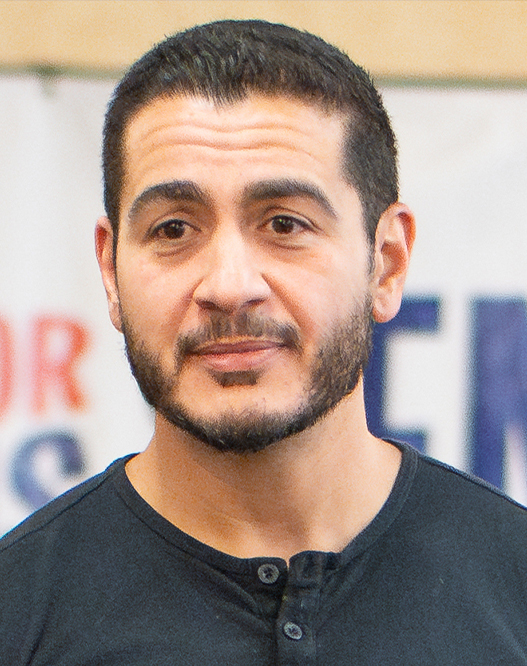
Photo of U.S. Senate candidate Abdul El-Sayed
Abdul El-Sayed (D)
Photo of U.S. Senate candidate Mike Rogers
Mike Rogers (R)

Michigan’s Senate race has become one of the nation’s premier battlegrounds, pitting Democrat Abdul El-Sayed against Republican Mike Rogers in a contest that will help determine control of the chamber. Republicans view the open seat as a rare pickup opportunity, while Democrats are betting that Michigan’s recent history of electing Democrats statewide will once again hold.

The race is testing whether Democrats can maintain their edge in a state that has become a fixture on the national battleground map. El-Sayed is running on a progressive, working-class economic message aimed at mobilizing Democratic voters in Detroit and metropolitan suburbs.

Across the aisle, former congressman Rogers is banking on his national security bona fides and potential appeal to swing voters while benefiting from a political environment that has become increasingly favorable to conservative Republicans in federal races.

The campaign is revolving around the economy, manufacturing, trade, health care and the cost of living. Strategists are tracking whether voter attitudes toward the Trump administration will boost Republican turnout or motivate Democratic voters to return to the polls in opposition.

Students enrolled in COMM 374 (Political Journalism) have been tasked with covering key Senate races across the country this fall and reaching out to local experts. Jonathan Hanson, director of the Master of Public Policy Program at the University of Michigan’s Ford School, and Lauren Gibbons, a senior politics reporter at Bridge Michigan, shared insights into the political divisions, voter turnout challenges and campaign strategies shaping the election in their state.

Despite Michigan’s strong labor unions, large traditionally Democratic Black population, and Democratic state leadership, the state has remained a political battleground since the 2016 election when Donald Trump unexpectedly won the state, handing Republicans their first victory in Michigan since 1988. Hanson explains how this status makes Michigan something of a microcosm for national politics.

“We see a large urban area and, you know, some smaller urban areas in the state. But once you get outside those urban areas, it’s a lot of rural areas, and we see this sort of polarization happening that’s happened elsewhere where the urban areas have tended to be more blue in recent elections and rural areas have trended red,” explains Hanson.

For Hanson, the Democratic candidate faces two related challenges. El-Sayed represents a “progressive wing of the Democratic Party that some people are not comfortable with” and must improve his numbers in Democratic strongholds like Wayne County, which include Detroit and surrounding suburbs, to counteract Republican votes in rural counties.

“El-Sayed did not do especially well in Wayne County in the primaries. And so he has some ground to make up in terms of enthusiasm,” Hanson stated.

National news has focused heavily on Michigan’s unique demographics and the impact of El-Sayed’s statements about Israel on the Jewish vote. According to Gibbons, this lens may overstate the impact of the Jewish vote and the degree to which it’s affecting the race.

“There are some issues that do deserve attention, but perhaps they’re getting a little bit overblown in the national media,” Gibbons said.

“If Black voters don’t show up for Democrats, that poses a problem for Abdul El-Sayed,” Gibbons continued.

Within the key Democratic strongholds that El-Sayed must win, Hanson identified young voters as a “crucial part of the Democratic vote coalition” because of the diverse issues motivating their votes – from climate change and healthcare to insecurity about their economic future.

With tariffs, the war in Iran, and multiple state visits by Trump and Vance, the race between Rogers and El-Sayed is also testing how attitudes about Trump policies will influence voters.

Hanson described the election as a referendum on the state’s support for Trump now. “The senate race in Michigan is a referendum on the direction that the country is headed, and therefore is a referendum on Donald Trump’s performance as a president,” Hanson said.

El-Sayed’s campaign has framed Rogers as “tied at the hip with Donald Trump,” while the Rogers campaign presents El-Sayed as “extreme” and “not one of us,” Hanson stated. Those competing narratives have unfolded amid extensive campaign spending and negative advertising.

Because the race is critical to control of the Senate, it has attracted an explosion of spending from both inside and outside of the state. Gibbons, however, is unsure how much that spending is influencing voters and their decision.

Despite this infusion, Gibbons questions how much it will actually matter in the race. “Haley Stevens had so many ads in support of her, she still lost, even by a small margin,” Gibbons said. This example suggests that financial backing doesn’t always guarantee a victory. “I think there is a limit to how effective all of this money is,” she continued.

Negative campaign ads have captured headlines and prompted fact-checks. However, their impact on the election remains open for debate. Gibbons doubts whether individual ads will motivate voters in the context of a constant stream of advertising.

“If you’re in one of those competitive areas, you’re just getting inundated with ads all the time. And I think what you’re seeing from a lot of voters is, get the election over with already,” said Gibbons.

With Election Day less than a week away, both interviews highlight that local turnout, more than national campaign narratives, could be the defining story the day after the election.

“I think voters should really just keep everything that they’re hearing and seeing with a grain of salt and actually go back through and look through some of their records,” she added.

_____________________________________________________________

Candidate photo credits:

Tracking North Carolina Senate in the Classroom


By: Leila Campbell, Mason Votes Contributor

This article was originally written as a classroom assignment for COMM 374: Political Journalism and submitted to Mason Votes by the student author for publication.

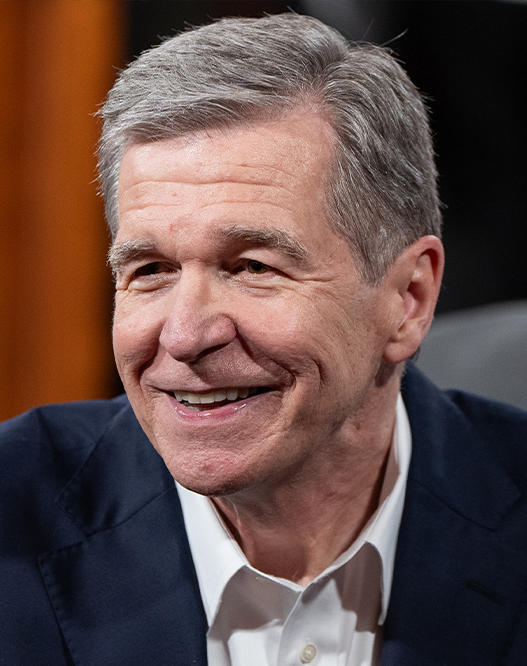
Photo of U.S. Senate candidate Roy Cooper
Roy Cooper (D)
Photo of U.S. Senate candidate Michael Whatley
Michael Whatley (R)
North Carolina is once again at the center of the battle for Senate control, with former Democratic Gov. Roy Cooper facing former national Republican party leader Michael Whatley in one of the country’s most closely watched contests. The seat is open following the retirement of Republican Sen. Thom Tillis.
The race is testing whether Democrats can turn Cooper’s popularity into a Senate victory in a state that has trended Republican in recent elections. Cooper runs on the campaign of “Make Stuff Cost Less,” focusing on affordability for voters. Meanwhile, Whatley, who secured President Donald Trump’s endorsement during his primary, is campaigning as a reliable GOP ally. He runs on issues such as enacting the Trump Agenda, being harsher on crime, safe borders and illegal immigration, an America first economy, conservative values and recovering from hurricane Helene.
For Cooper, his name recognition as former attorney general and two-term governor has earned him a successful campaign. He currently leads Whatley in polls by 8 to 15 points, depending on the pollster. Whatley, on the other hand, suffers from his most prominent roles being exclusive to state and national party leadership. In the past month, multiple republican Super PACS have pulled funding or canceled ads for Whatley as a the party refocuses efforts on tighter races such as Kansas, Ohio, Texas, or Alaska.
With both parties pouring vast resources into the contest, the campaigns continue their efforts to become the next senator of North Carolina. For strategists, the Tar Heel State has become key for determining Washington’s balance of power.

_____________________________________________________________

Candidate photo credits:


Tracking South Carolina Senate in the Classroom

By: Ben Keane, Mason Votes Contributor

This article was originally written as a classroom assignment for COMM 374: Political Journalism and submitted to Mason Votes by the student author for publication.

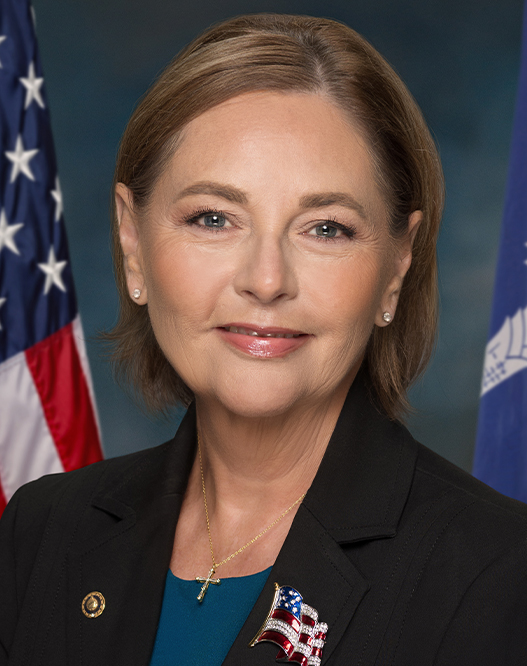
Photo of SC Senate candidate Annie Andrews (D)
Annie Andrews (D)
Photo of SC Senate candidate Darline Graham (R)
Darline Graham (R)

South Carolina, a state that has not had a Democratic Senator since 2005, is shaping up as an early test of the political durability of the Trump coalition as Republican Sen. Darline Graham heading into a reelection fight under the shadow and spotlight of a presidential endorsement. South Carolina Governor Henry McMaster appointed Graham to the senate on July 13, following the unexpected death of her brother, Sen. Lindsey Graham on July 11.

Critics of Darline Graham have made accusations of nepotism leading to her appointment and pointed to her lack of political experience as problems for her appointment and candidacy for the Senate. Graham faced early challenges, when South Carolina called for an Aug. 11, Republican special primary election, where the Senator was unable to secure the majority vote over Ralph Norman, leading to a runoff on Aug. 26, where Graham secured the Republican nomination for senate.

Graham claims it was President Donald Trump’s request that she run for a full Senate term and on Aug. 24, just before the runoff election, MAGA Inc., a Trump-aligned super PAC, donated over $800,000 to Graham’s campaign. President Trump also traveled to South Carolina on Aug. 21 for a rally with Graham, where he encouraged South Carolinians to show their support for the Senator, telling the audience, “I’m on the ballot.”

South Carolina’s recent voting history suggests the state is unlikely to be flipped by Democratic candidate Annie Andrews. Trump won the state by 18 points in the 2024 Presidential Election and, while The Cook Political Report has shifted the Senate midterm race from Solid Republican, it projects the seat to likely remain Republican. While some Republican candidates have distanced themselves from the Trump Administration, Graham has continued to voice for her full support for the Trump Administration. The President returned that support by joining Graham for a tele-rally on Oct. 15 as well as hosting an Oct. 21 in-person rally in Greenville.

South Carolina’s Senate race will be a test of how strongly a campaign so closely aligned with President Trump can perform in the 2026 midterms. The president’s approval ratings have hit record lows for his terms. Graham’s performance on Nov. 3 will be an indicator of how voters are influenced in a midterm election where it’s clear that the Trump Administration is on the ballot.

_____________________________________________________________

Candidate photo credits:

Three Constitutional Amendments on the VA Ballot in 2026

Get Educated and Make an Informed Decision!

By: Kyler Cartmill, Mason Votes Contributor
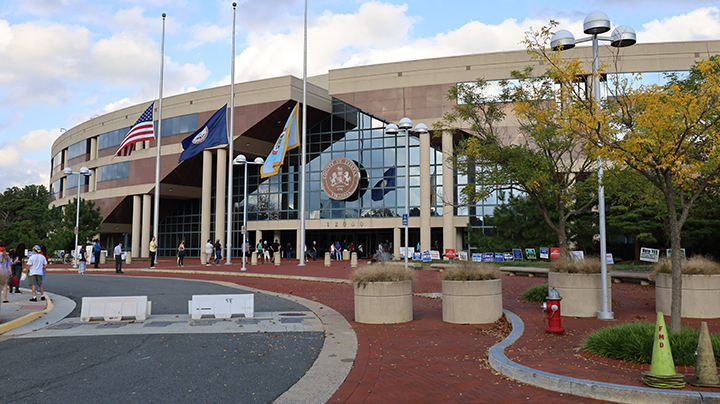
Photo of Fairfax Government Center
Early in person voting at Fairfax Government Center and 15 other sites across Fairfax County runs through Saturday, October 31, 2026. Visit fairfaxcounty.gov/elections/early-voting to learn more!

On (or before) Tuesday, November 3rd, voters across Virginia will determine the future of the state by voting in the 2026 midterm elections. While questions on the ballot range from congressional representation to local tax policy, there are also three proposed amendments to the Virginia Constitution.

These amendments focus on issues of reproductive rights, same-sex marriage, and the right to vote. Each has the potential for sweeping implications for the future of the Commonwealth. And with midterms just one week away, the conversation about the merits of each amendment has only intensified.

Arina van Breda, assistant director of voter registration for the Fairfax Area League of Women Voters (LWV), volunteers her time to help Mason students register to vote and is knowledgeable about both the history and implications of each amendment on the ballot.

“It’s been several years since we had a constitutional amendment. These are all issues that have actually shown up on the ballot before, but some not for decades,” van Breda said.

As van Breda and her LWV colleagues have spoken to prospective voters on campus about the upcoming election, they have found many students are unaware what’s on the ballot. “Most people know there is an election, but I don’t think a lot of people have yet had a chance to focus in.”

Despite this, van Breda stresses the importance of being both informed and voting this election: “Every single year, we see elections that come down to a handful of votes. And so my strongest message to everyone is: do your research, understand what you’re voting on, but by all means vote.”

So here’s what student voters need to know about the three proposed amendments to the Virginia Constitution they will be asked to consider on Election Day:

Question 1:

“Should the Constitution of Virginia be amended to (i) protect the freedom to make personal decisions about prenatal care, childbirth, postpartum care, birth control, abortion, miscarriage management, and fertility care; (ii) protect doctors, nurses, and patients from being punished for these decisions; and (iii) allow for restrictions on access to abortion during the third trimester of pregnancy except when the patient’s health is at risk or the pregnancy cannot survive?”

  • Voting YES amends the Virginia Constitution to include this provision, enshrines a basic right to access reproductive care and protects medical professional assisting in these decisions.
  • Voting NO leaves the Virginia Constitution as it is now, with no statewide protections for individuals who seek reproductive care or the medical professionals who provide it.

Following the Supreme Court’s controversial Dobbs decision in 2022 that overturned the protections of Roe v. Wade, the right to abortion care access across the nation was removed at the federal level and given back to the states. Without federal protections, many citizens have petitioned their state to include a constitutional right to access reproductive care.

Virginia is one of three states to vote on this issue in 2026, alongside Idaho and Nevada. However, this amendment is not only about abortion access, but rather the entire suite of reproductive care, for both individuals and for medical professionals.

“For many people, [Question 1] gets shorthanded as abortion. This amendment is not just about abortion, but it is clearly one of the more salient issues,” said van Breda. “Everybody knows someone who needs reproductive care. You know, whether it’s fertility treatment… treatment for miscarriage… in vitro fertilization, [or] abortion. Everybody’s got someone in their life that this is an issue that’s important. Whether it’s a mother, a daughter, a sister, a wife, or the individual themselves.”

Question 2:

“Should the Constitution of Virginia be amended to (i) remove the ban on same-sex marriage; (ii) affirm that two adults may marry regardless of sex, gender, or race; and (iii) require all legally valid marriages to be treated equally under the law?”

  • Voting YES amends the Virginia Constitution to include this provision and removes the 2006 amendment defining marriage as “between one man and one woman.”
  • Voting NO leaves the Virginia Constitution as it is now, with no statewide protections of same-sex or interracial marriage, only at the federal level through Supreme Court decisions. It would also leave in place the 2006 amendment defining marriage as between one man and one woman.

In 2006, Virginia amended its constitution to legally define marriage as “only a union between one man and one woman” through what is known as the Marshall-Newman Amendment. However, since the 2015 Obergefell v. Hodges Supreme Court decision recognizing same-sex marriage at the federal level, that amendment has been unenforceable. Now, two decades later, voters have the chance to vote on the issue again.

With either a yes or no vote, the day to day lives of nearly all Virginians remains unchanged. However, what would be different is the security and state protections same-sex marriages have in Virginia.

“A lot of people feel we’ve got marriage equality at the federal level.” van Breda said. “But we know that there has been talk amongst the Supreme Court justices that the Obergefell decision, the Supreme Court decision that recognized marriage quality nationally, could be overturned.”

Given the uncertainty as to whether the Supreme Court might overturn same-sex marriage protections, the outcome of this ballot question could be viewed as a measure of public opinion of same-sex marriage in Virginia and has the potential to provide protections to same-sex marriages not previously available in the Commonwealth for nearly two decades.

Question 3:

“Should the Constitution of Virginia be amended (i) to provide for the fundamental right to vote in the Commonwealth, (ii) to revise the qualifications of voters so that a person convicted of a felony is not entitled to vote during his period of incarceration but is automatically invested with the right to vote upon release from incarceration, and (iii) to update the existing prohibition on voting by persons found to be mentally incompetent to instead apply to persons who have been found to lack the capacity to understand the act of voting?”

  • Voting YES amends the Virginia Constitution to include this provision, affirms the right to vote, and automatically returns voting rights to former felons
  • Voting NO leaves the Virginia Constitution as it is now, requiring former felons to petition the governor to restore voting rights on an individual basis.

The right to vote is one of the foundational principles of the United States. However, there are quite a few complications with this right.

“[A fundamental right to vote] is not something that is actually found in our Constitution,” van Breda said. “You can find it by pulling together different threads from several of our constitutional amendments, but it was never written into our founding document, the U.S. Constitution. In Virginia, we have a chance to be sure that we say that everyone, every citizen, has a fundamental right to vote,” said van Breda.

Additionally, as history has proven, the right to vote has not been extended to everyone equally. In Virginia, should a felon wish to restore their voting rights following incarceration, they must petition and either be approved by the governor or circuit court. However, in a majority of states, the restoration of voting rights is automatic.

“Virginia has one of the most restrictive laws in the country regarding people losing the right to vote if they’ve had a felony conviction. Virginia has one of the largest percentages of population that’s disenfranchised in the country,” said van Breda.

So now’s the time to get educated, consider how each amendment might impact your life and the lives of your loved ones, and make an informed decision on Election Day!

_____________________________________________________________

Click here to download a Fairfax County sample ballot >

Click here to find a sample ballot from your home state >

Click here to learn more about early in person voting >

_____________________________________________________________

Make a Plan to VOTE:

_____________________________________________________________

Slider photo by: Antony-22, CC BY-SA 4.0, cropped and sample ballot graphic added.

2026 U.S. Senate Race Roundup

Eight Races to Determine Control of the Upper Chamber

By: Andrew Nick, Mason Votes Contributor
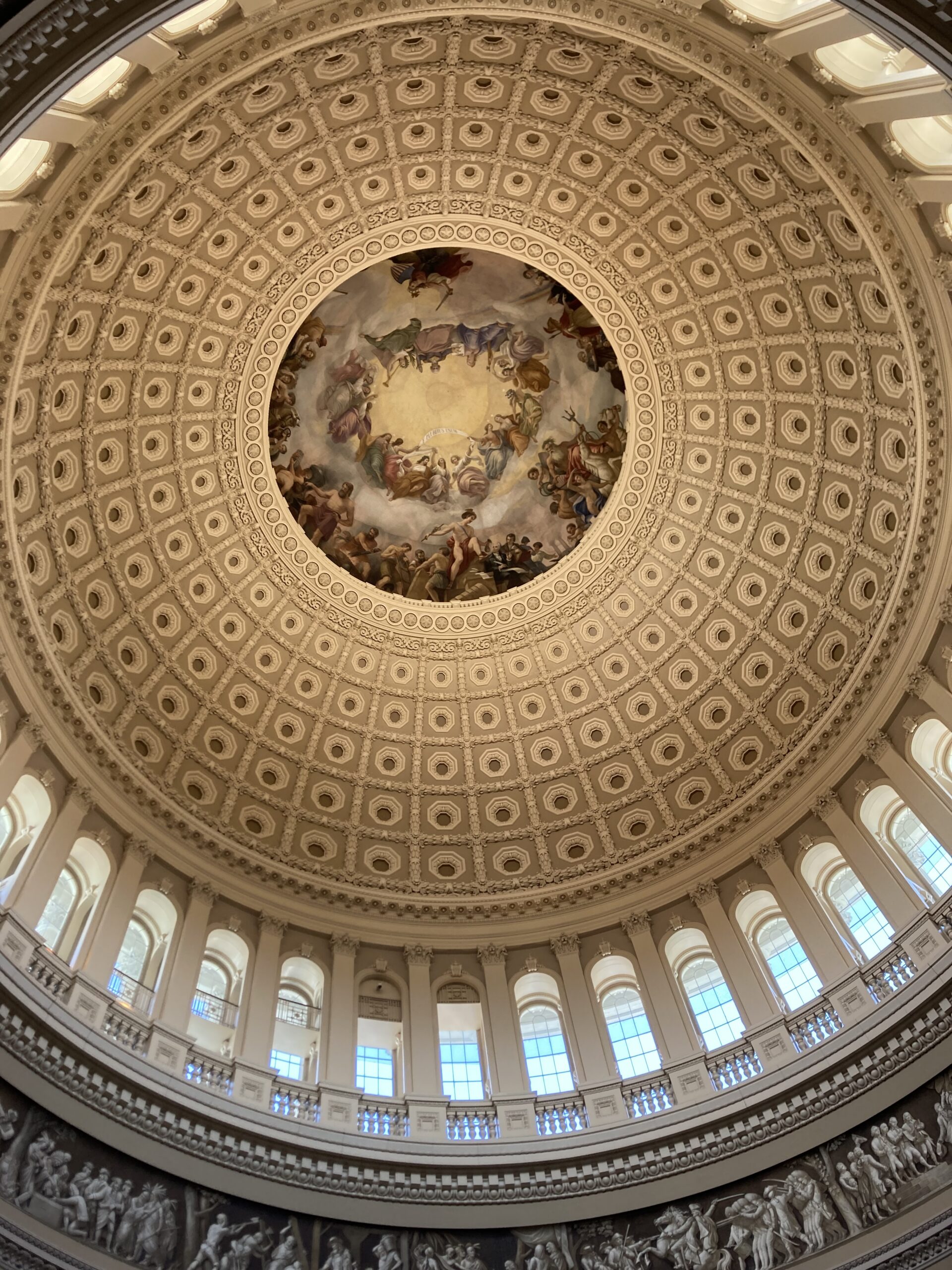
Photo of the U.S. Capitol Rotunda in Washington, D.C.
Looking up at the U.S. Capitol rotunda in Washington, D.C. Control of Congress is on the ballot on November 3rd, so don't forget to make a plan to VOTE!

Control of both chambers of Congress is on the ballot in the upcoming 2026 midterm elections, with all 435 House of Representatives seats and 35 Senate seats up for grabs on November 3rd. With just one week to go, many pundits agree that Democrats will retake power in the House. But control of the Senate is proving more difficult to predict.

The U.S. Senate—once thought of as a safe bet for Republicans to retain their slim majority—has become more and more competitive for Democrats over the past year. Eight states will determine who controls the upper chamber: Georgia, North Carolina, Michigan, Maine, Ohio, New Hampshire, Alaska, and Iowa. All but two of those races are incumbent Senators running for re-election, meaning voters get to decide to renew their contract or elect someone else.

Overall, the current 53-47 Republican Senate majority is going to be tested to see if it can withstand the usual midterm "shellacking" of second term presidents. 

Before breaking up the elections into four categories—leaning Democrat, toss ups, leaning Republican, and Democrat reaches—one has to understand the underlying issues facing voters: high costs on everything from gas to groceries to homes, the ongoing war in Iran, and the unpopularity of President Trump.

Democrats will be attempting to convince voters that bringing a check on the president, lowering costs, and stopping the war will improve their lives, while Republicans will be trying to sell the idea that time will lower costs and their opponents do not have a clear vision. The ultimate judge—the voters—will render their verdict on November 3rd.


Click on each state below to learn more the race!

Likely Democrat Wins:

GEORGIA

The Candidates:

Photo of U.S. Senator Jon Ossoff
Jon Ossoff (D)

Photo of U.S. Senate candidate Mike Collins
Mike Collins (R)

Ossoff: Mentored by the late Congressman John Lewis and raised in the Atlanta metro area, Ossoff was a legislative staffer for Representative Hank Johnson and later CEO of media company Insight TWI. Elected in 2020 in a race against a sitting incumbent, Ossoff is the youngest senator in the upper chamber at 39. He sits on the Judiciary, Appropriations, Rules and Administration, and Intelligence Committees.

Collins: Currently the representative of Georgia’s 10th Congressional District, he is a former president of his local Chamber of Commerce and a board member and chairman of a large Georgia credit union. He currently serves on the House Committees on Natural Resources, Science, Space and Technology, and Transportation and Infrastructure.

Notes from the campaign:  

  • Spending money in constituent services, Senator Ossoff has invested in his ability to deliver results to constituents
  • Collins is underfunded by donations and the national party (the GOP is spending money to defend incumbents in other states)
  • Ossoff gained momentum with viral social media posts and speeches attacking the president, creating rumors about his intentions to become a presidential candidate in 2028
  • Ossoff has been tying Collins to the president, focusing on the cost of living and attacking Trump, leaving Collins struggling to gain traction with his messaging

Most likely to win: Polling has shown Senator Ossoff comfortably in the lead

Toss-Ups:

_____________________________________________________________

Slider & rotunda photos by: Andrew Nick

Candidate photo credits: